

News
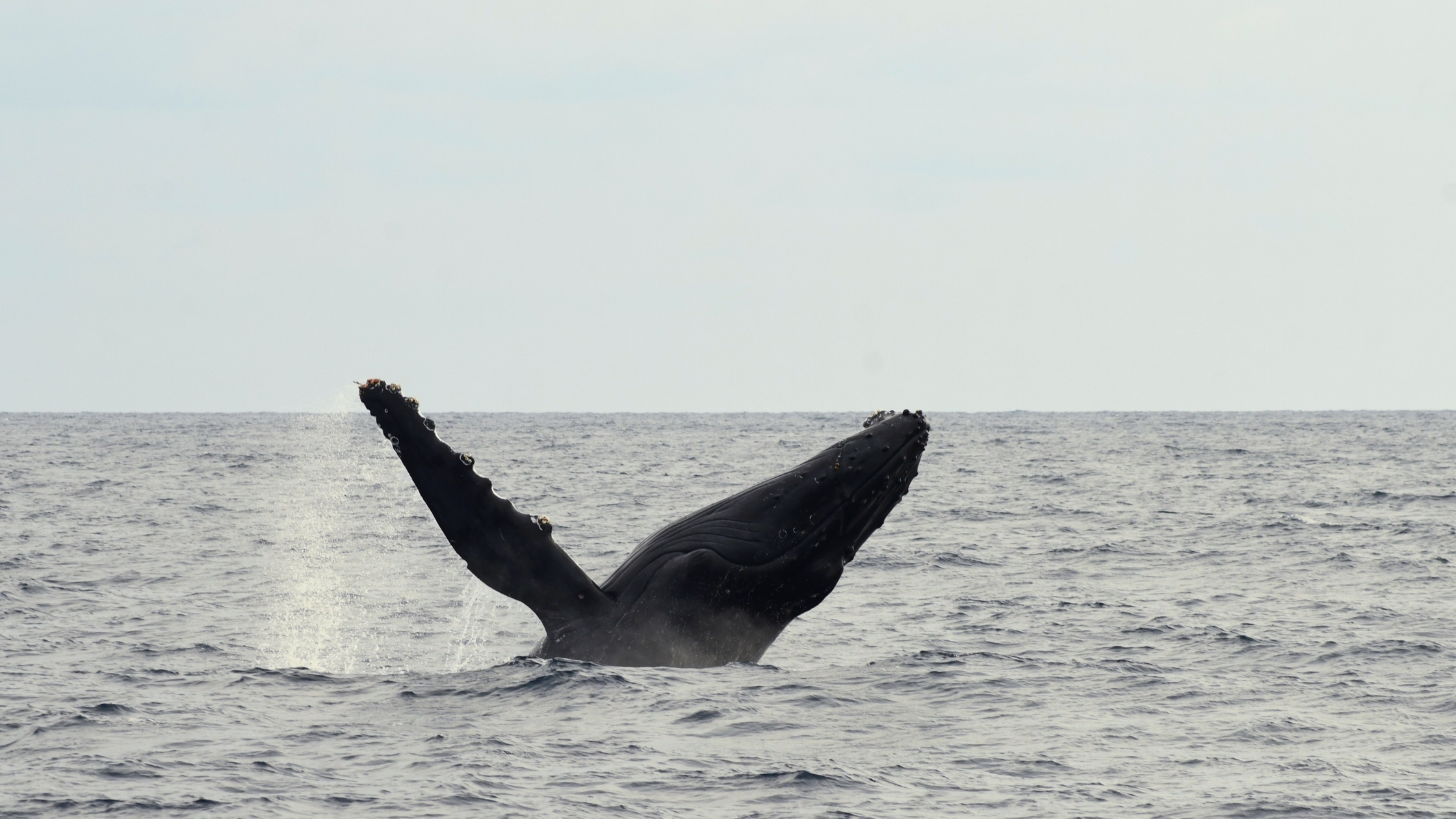
Whale Watching in Amami Oshima: Witness Japan’s Gentle Giants Up Close
The whale migration season in Amami Oshima runs from January to April, with peak activity occurring between January and March. During this period, whales are particularly lively, engaging in acrobatic displays and social interactions.
Imagine standing on the deck of a boat as a 15-metre humpback whale breaches the water, its powerful tail striking the waves. The grandeur of these gentle giants leaves a lasting impression, making whale watching in Japan’s subtropical paradise an unmissable experience.
For discerning travellers with an appreciation for nature, a whale-watching tour in Amami Oshima provides an unparalleled opportunity to witness the grace and power of these creatures up close.
Why Whale Watching in Amami Oshima is a Must-Experience
A Premier Destination for Whale Watching in Japan
The calm, clear waters surrounding Amami Oshima provide the ideal conditions for observing humpback whales in their natural environment.
- The island’s mild winter climate ensures a comfortable experience during peak migration season.
- Expert guides lead tours to the best whale-watching locations, offering an informative and immersive journey.
More Than Just Sightseeing—A Deeper Connection with Nature
- Watch humpback whales breach, tail slap, and interact with their calves.
- With Native Sea, passionate and experienced diving instructors share their deep understanding of whale behavior and marine ecosystems, offering a unique and immersive experience beneath the waves.
- Dedicated to sustainable tourism, Zero Gravity offers tours that respect both people and the environment. With a focus on inclusivity, they aim to create a society where everyone, regardless of ability, can live safely and securely, while also practicing responsible whale watching.
What to Expect on a Whale-Watching Tour
Majestic Displays of Marine Life
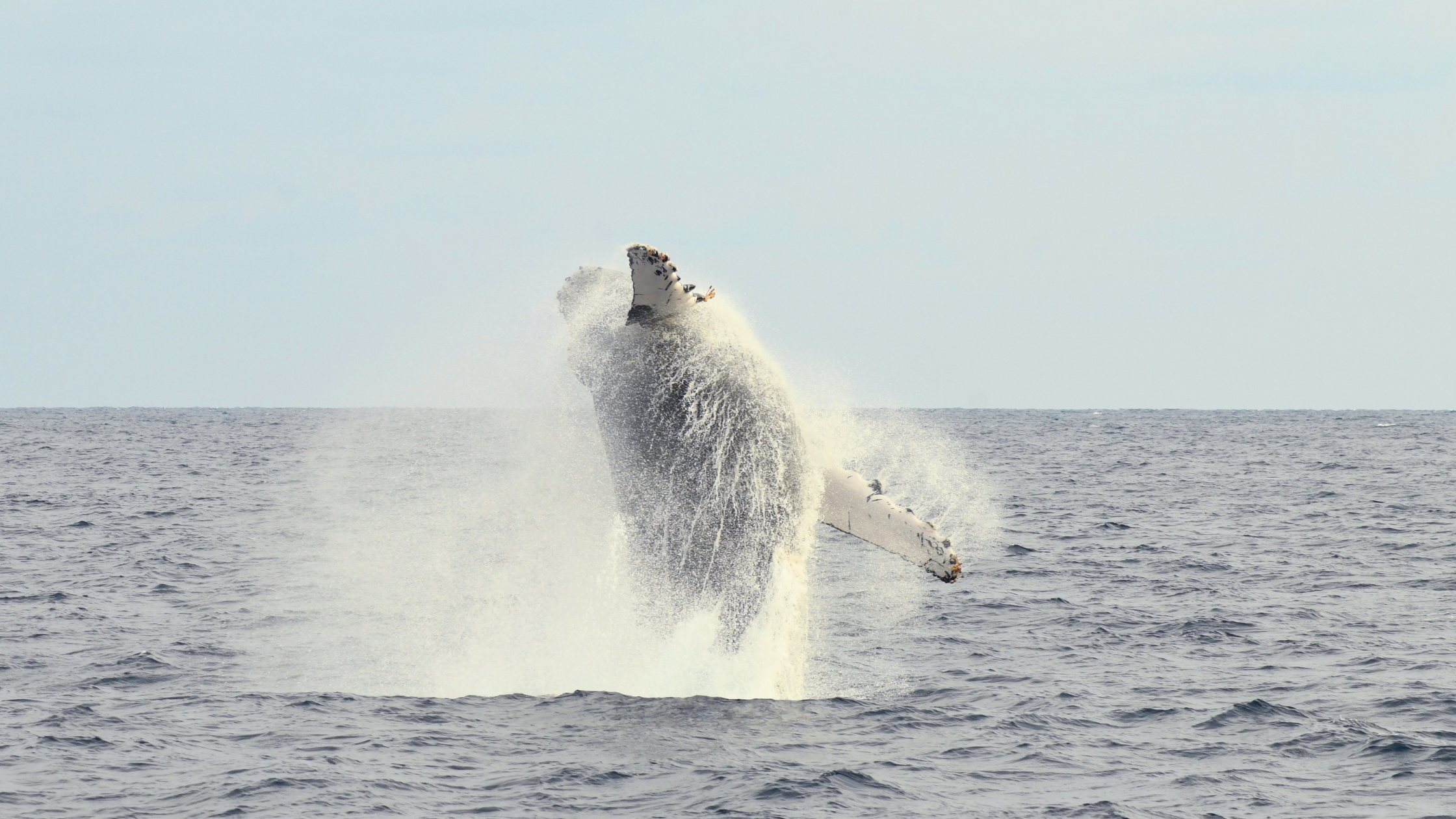
- Breaching – When a whale pushes itself out of the water, it’s called a breach. A full breach happens when more than half of its body clears the surface, while a half breach occurs when only part of the body emerges before crashing back into the sea.
- Tail Slaps/Lobtailing – A whale lifts its tail high above the water before slamming it down with force, creating a loud, echoing slap across the surface. This repeated movement is a powerful display of strength and communication in the open ocean.
- Spy-Hopping – A moment when a whale lifts its head above the water to observe its surroundings.
- Vocalising – Whales communicate through sound, producing a range of vocalisations that can be heard but not seen. Hydrophones have captured the complex songs of male humpback whales, even in their northern feeding grounds, along with various calls from other species.
Each sighting offers a rare glimpse into the lives of these majestic mammals, creating unforgettable memories.
Tour Details & Booking Information
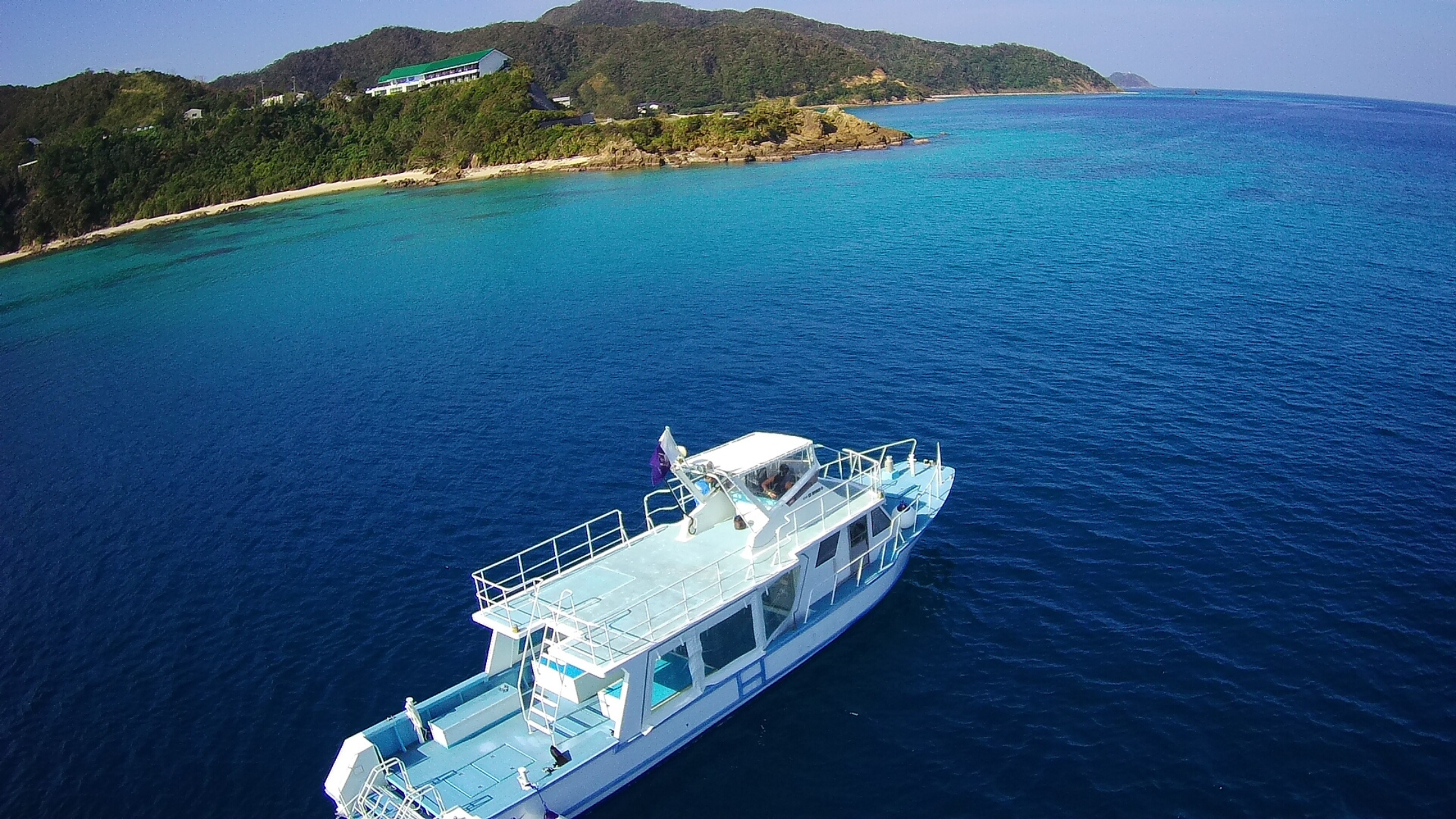
Best time for whale watching in Amami Oshima: January – April (Peak Season: January – March)
- Half-Day Whale Watching Tour
- 9:00–12:00 / 13:30–16:30 (Approximately 3 hours)
- 7,700 yen per person (Ages 10 and above)
- Full-Day Whale Watching Tour
- 9:00–16:30 (Includes a break at the port for lunch from 12:00–13:00)
- 15,400 yen per person (Ages 10 and above)
Transportation service available
Responsible Whale Watching: Protecting Amami’s Marine Life
A Commitment to Eco-Friendly Tourism
- Our partner operators follow strict environmental guidelines, ensuring that whale-watching practices respect marine life.
- Boats maintain a safe and responsible distance, minimising disruption to the whales’ natural behaviours.
“There are more days in Amami in March when you can feel the spring weather, so whale watching is highly recommended during this time.”
“You’ll be exposed to the sea wind and spray, so it’s good to have cold-weather clothing that blocks the wind, such as a windbreaker.”
“Even if you’re not comfortable with sailing, taking motion sickness medication makes it worth experiencing this once-in-a-lifetime opportunity.”
“The children who joined us saw creatures they had only seen in illustrated books and were amazed by their size and power. Getting closer to marine life inspired them to want to protect the ocean, making it a valuable experience for both parents and children.”
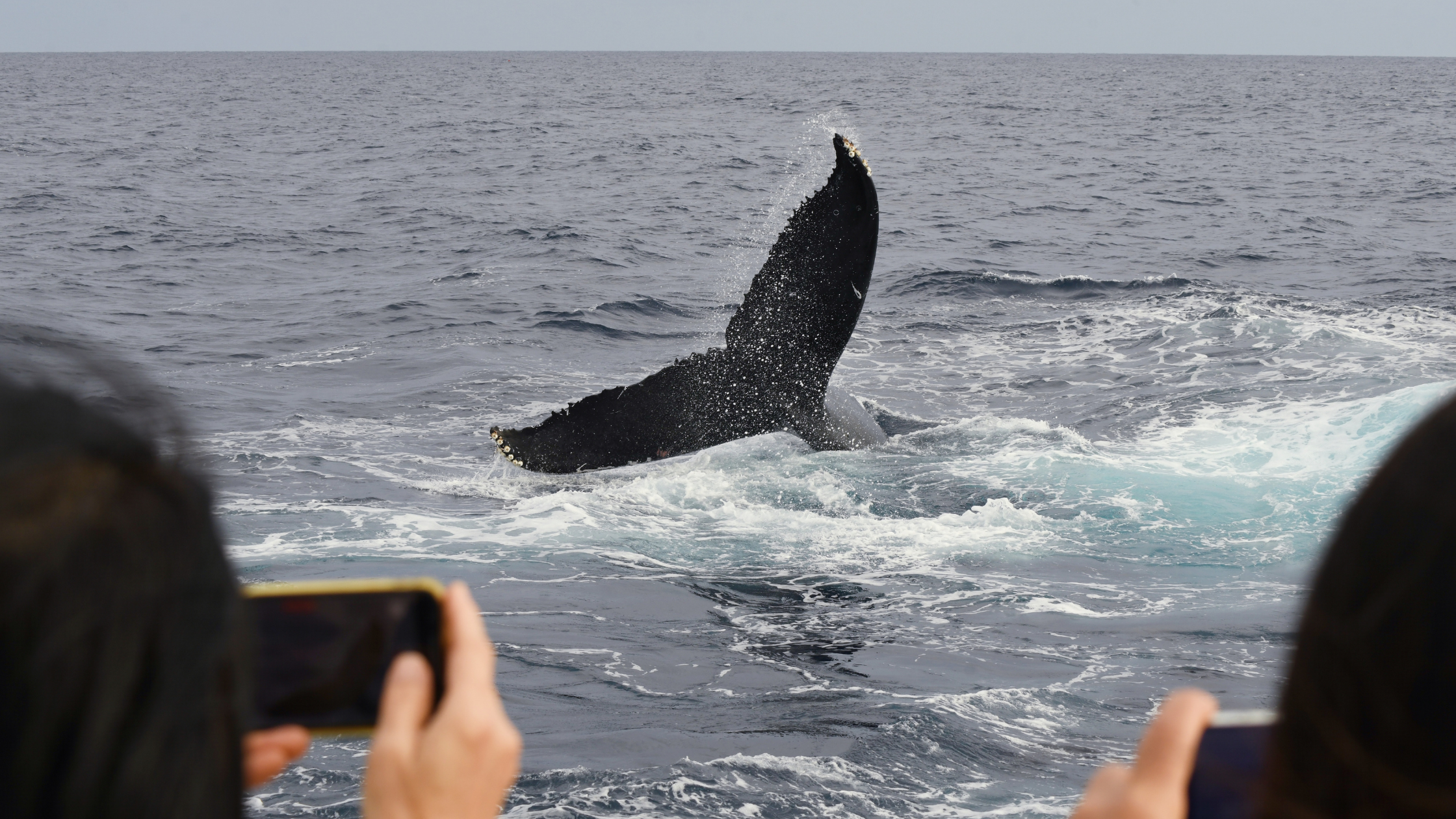
Here are the tips for an Unforgettable Whale-Watching Experience
- While Amami Oshima enjoys mild winters, the sea breeze can feel brisk.
- A windproof jacket, warm layers, and a hat are recommended for comfort.
Capturing the Moment
- Binoculars offer a close-up view of the whales.
- A camera with a zoom lens is ideal for photographing these extraordinary creatures.
Preventing Motion Sickness
- For those prone to seasickness, taking anti-motion sickness medication before the tour is advisable.
- Medication is available at local pharmacies on the island.
Book Your Whale-Watching Tour with Miru Amami
The opportunity to witness humpback whales in their natural habitat is a rare privilege. Experience the wonders of the ocean and the breathtaking beauty of Amami Oshima’s marine life during your stay with our trusted tour partners.
Reserve your whale-watching tour with Miru Amami and discover one of Japan’s most extraordinary natural spectacles.
0 Comments