

News
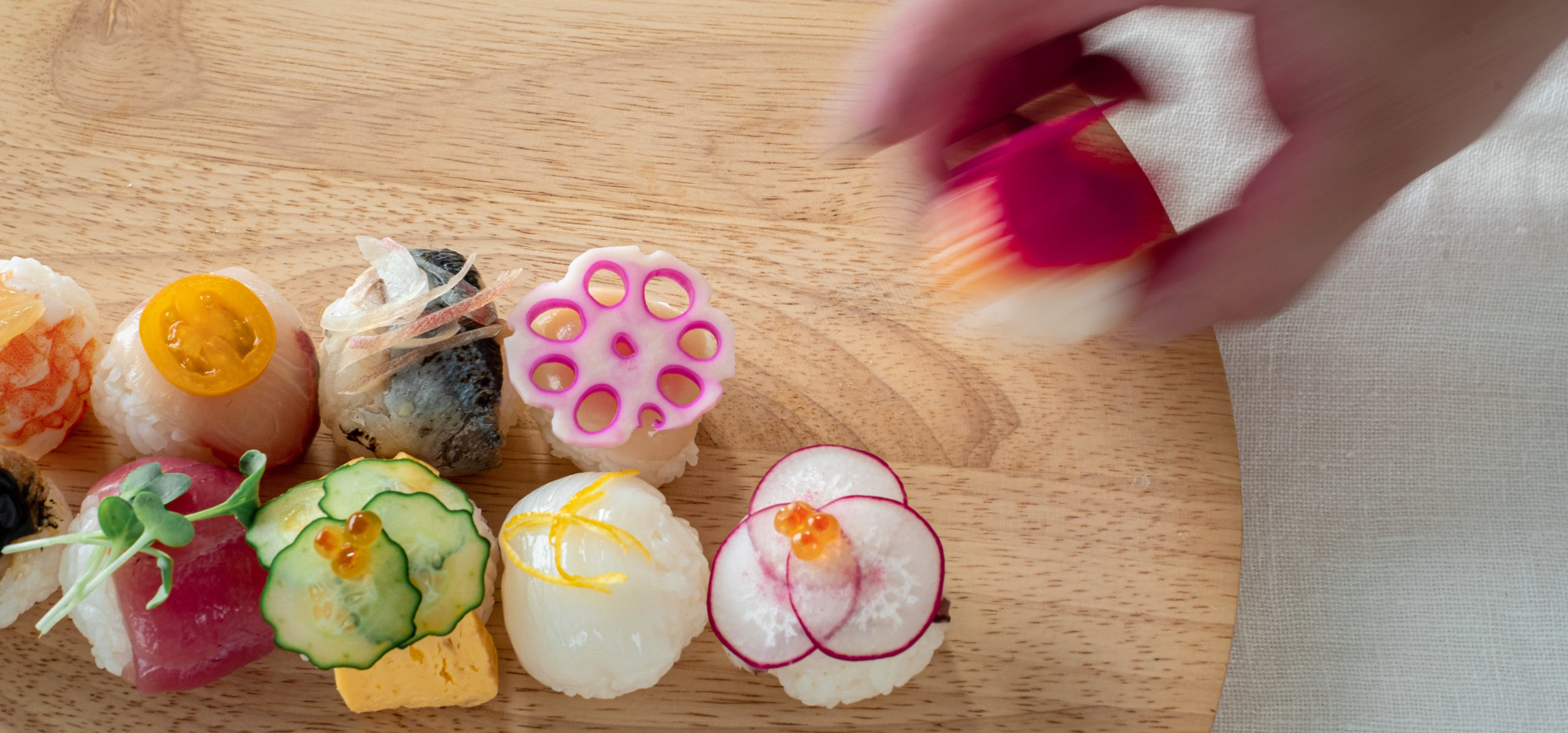
Local Secrets By Miru: A Taste of Miru Amami at Home
Welcome to our first series of Local Secrets by Miru. While we are living amidst uncertainty, we invite you to wander into the Miru world – to find comfort, and to experience the world with new eyes and in a new way. At Miru Collection, we believe that food is a great way of uniting people. We also consider it an art, and in it we find solace.
Staying on the paradise of Amami island where the crystal clear waters of Akaogi Bay meet the cloudless vibrant skies, you will experience nature like no other. At Amanari, Miru Amami’s flagship restaurant, we celebrate nature in our cuisine, by ensuring our flavors reflect the best of the island’s land and sea. Today, we hope to brighten your spirits with 4 traditional Amamian dishes which are much loved by our guests and chefs at Amanari.
Through these Miru Collection recipes, we hope to take you on an unforgettable culinary journey, where you will be transported to the magical Amami island.
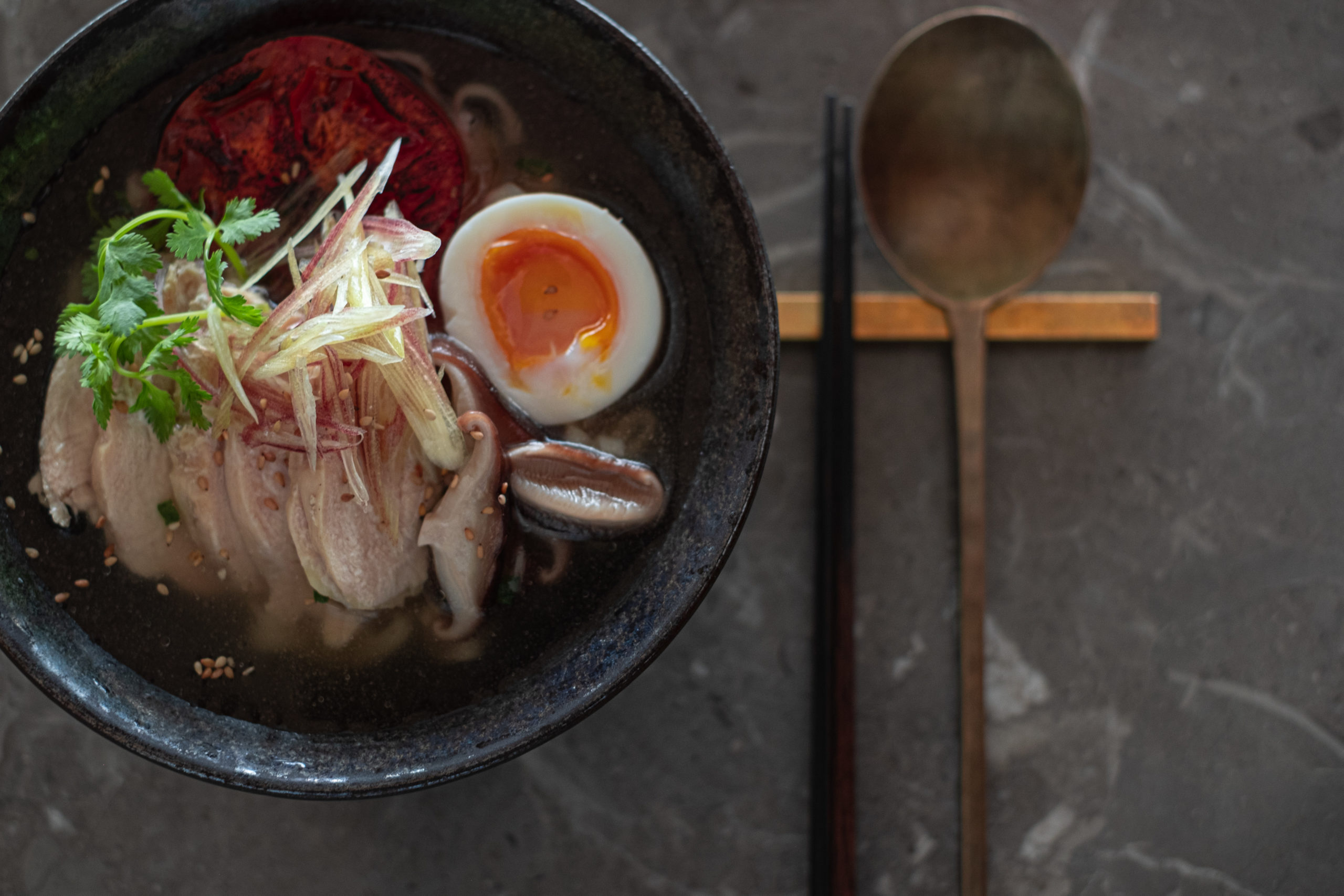
Keihan Ramen | Chicken Noodle Soup
This recipe is a spin-off to the best Japanese food on Amami Island. Otherwise known as Keihan, this is a traditional dish that can be found in Kagoshima. The locals take pride in this light, nutritious and historical dish that was claimed to be served during the Edo Period in the 1600s. Our modern take on Keihan is to replace the rice with ramen, while still paying homage to the simplicity and seasonality of Amami’s most famous chicken rice.
The Ingredients (Serves 2)
To make the soup, you need to prepare:
- 1 Carcass or bones of a whole chicken
- 1 Negi, the green part of Welsh, otherwise known as Japanese spring onion
- 10 g – Ginger, skin peeled and removed
Condiments A:
- Salt – 10g
- Mirin – 10cc
- Sake – 15cc
- Soy sauce – 20cc
To prepare noodle and toppings:
- Use 2 portions of Chinese noodle (Cook according to instructions on noodle package)
- Chicken breast – 50g
- Egg x 1
- Tomato x 1 or 2
- Green onions, finely chopped – 5g
- Dried Shiitake mushrooms – 20g (Soak in 400cc of water for half a day to one day in advance. Do not drain the water after soaking)
- Sesame seeds – 2g
- Citrus peel – 1g
Condiments B:
- Soy sauce – 5cc
- Mirin – 5cc
- Sake – 5cc
Cooking Method
- Soup
- Place ginger, green part of Welsh onion and chicken bones in a pot containing 2000cc water.
- Bring it to a boil and simmer for one hour, removing scum and residue from time to time.
- Add all condiments A and simmer for 10 minutes on low heat.
- Toppings
- Cook the chicken breast in boiling water. As soon as it is cooked, shred the chicken by hand.
- In a bowl, beat the egg until it is fluffy. Pour a thin layer of the mixture in the pan and bake it. Let it cool down before cutting into thin strips.
- Slice the tomato. Then add a small drizzle of olive oil in the pan and cook the sliced tomatoes without moving. Gently turn it over and cook until tender while holding on to its shape and not breaking it apart.
- Slice the Shiitake mushrooms. Cook them using the 200cc soup from the soaked mushrooms. Add condiments B and boil down completely.
- Serve noodles in a bowl and add above toppings, sesame seeds & citrus peel over the noodle.
- Pour the soup into the bowl for finishing. Garnish with sliced onion and cilantro. Serve hot.
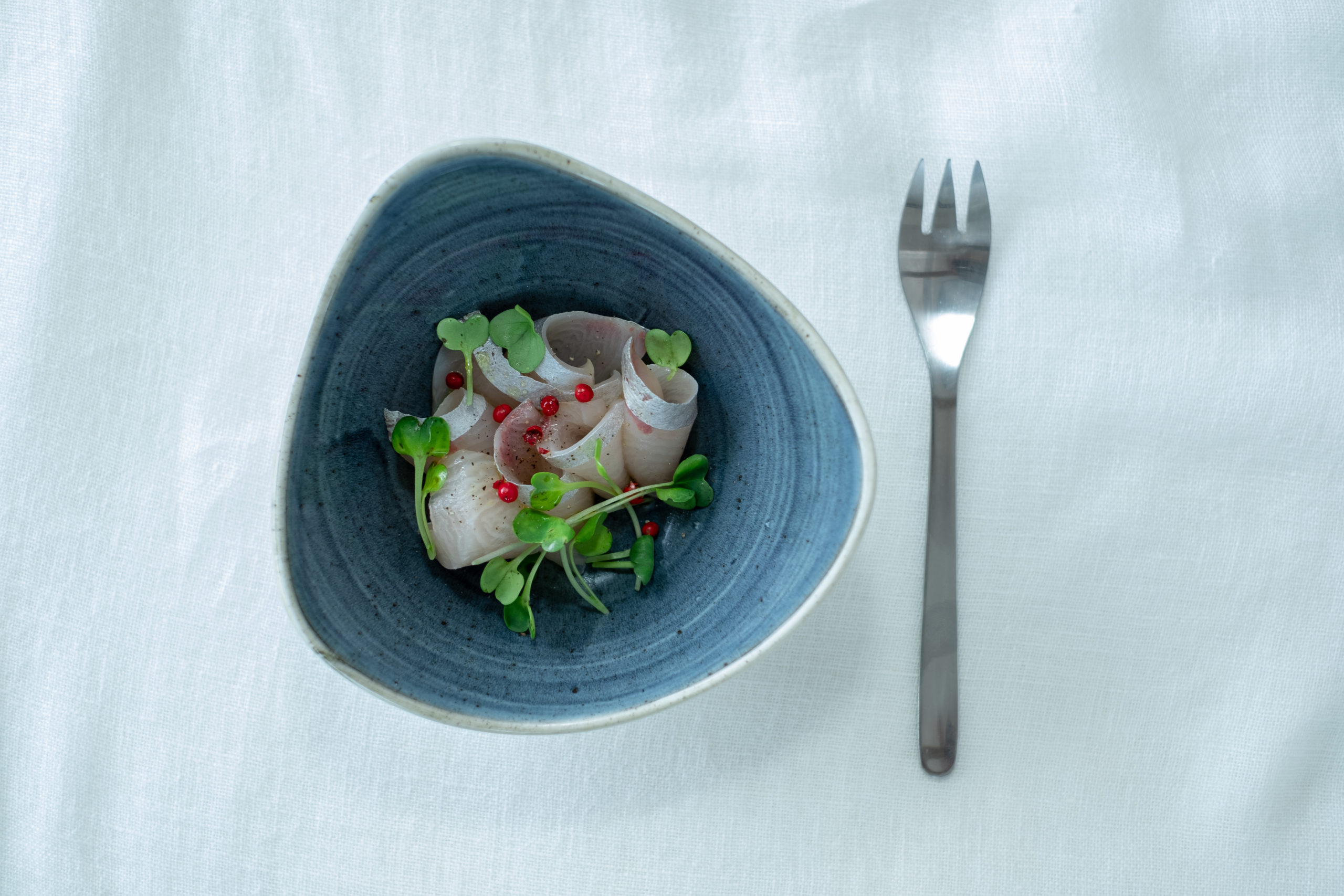
Kobujime | Sea Bream Sashimi Marinated in Kelp
In the southern part of Japan, sea breams begin to lay eggs during Amami Oshima winter time in December. Once they are fully grown, they live among the bottom parts of the ocean that are reefy, sandy and muddy and so you may get lucky with a fresh catch when you go fishing along Oshima Strait. This type of fish is seasonal and tastes the best during springtime between the month of March to May. Locally known as Tai, the king of fish, sea breams are traditionally used for celebrations by the Japanese people as it indicates good luck based on its red color tone and beautiful form. This recipe includes a type of seaweed known as Kelp, widely used in Japanese meals.
The Ingredients (Serves 2)
To prepare sashimi:
- Sea bream sashimi – 150g
- A little salt (about 1g per 150g sashimi)
- Dried flat kelp for broth (about width 10cm x length 15cm) x 1, cut into half
For the garnish:
- An appropriate amount of white radish sprouts (Kaiware) or finely chopped Green onion
- An appropriate amount of Japanese ginger (Myoga) or Julienne cut Ginger
- A whole pink pepper to taste
- An appropriate amount of extra Virgin olive oil
Method
- Sprinkle salt on both sides of sashimi and leave it aside for about 10 minutes.
- Sandwich sashimi with kelp and wrap it tightly with a cling film, making sure there is no air trapped inside.
- Set aside and let it cool in the refrigerator for a day.
- Remove the kelp and decorate with garnish to serve.
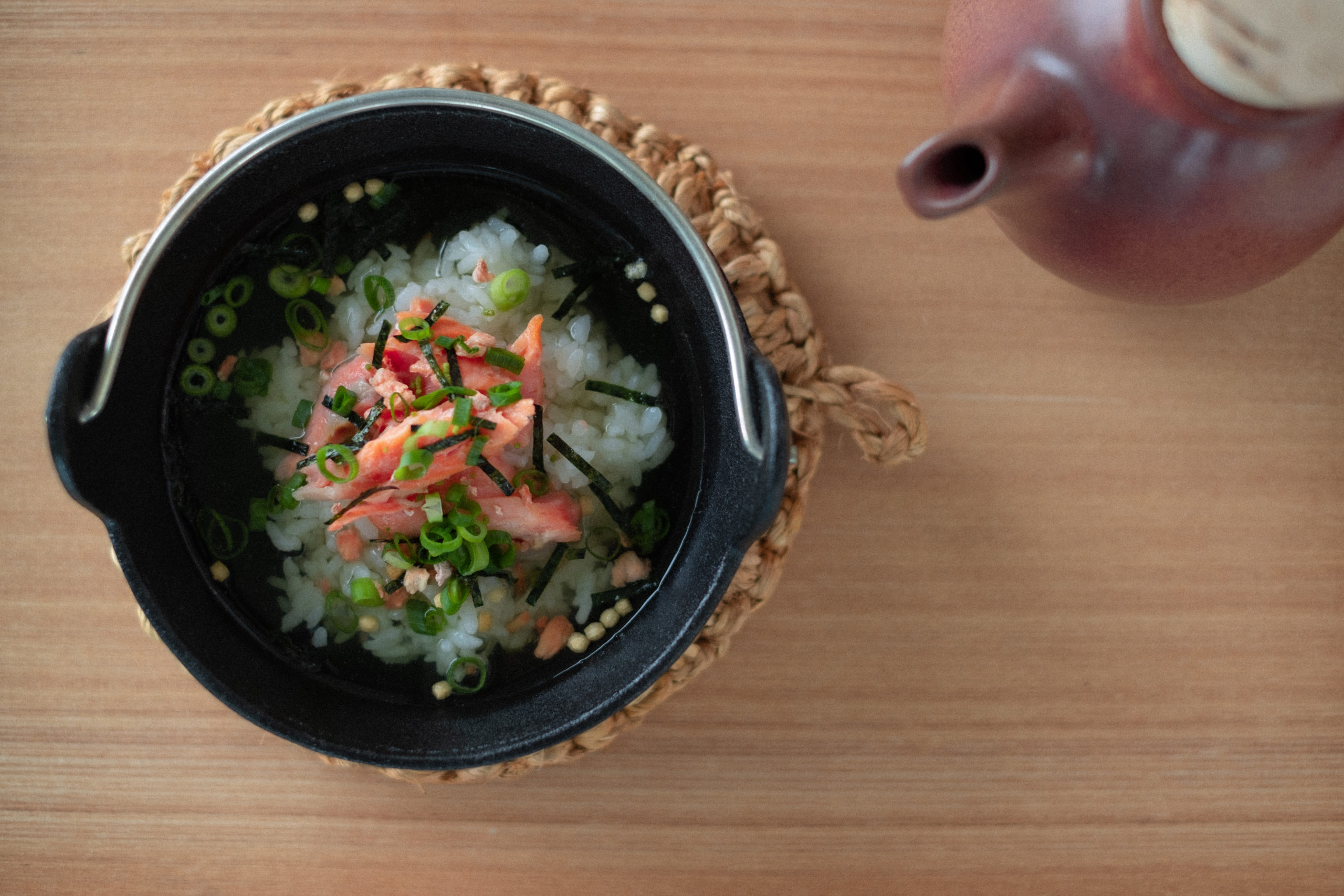
Ochayazuke | Salmon Rice with Tea
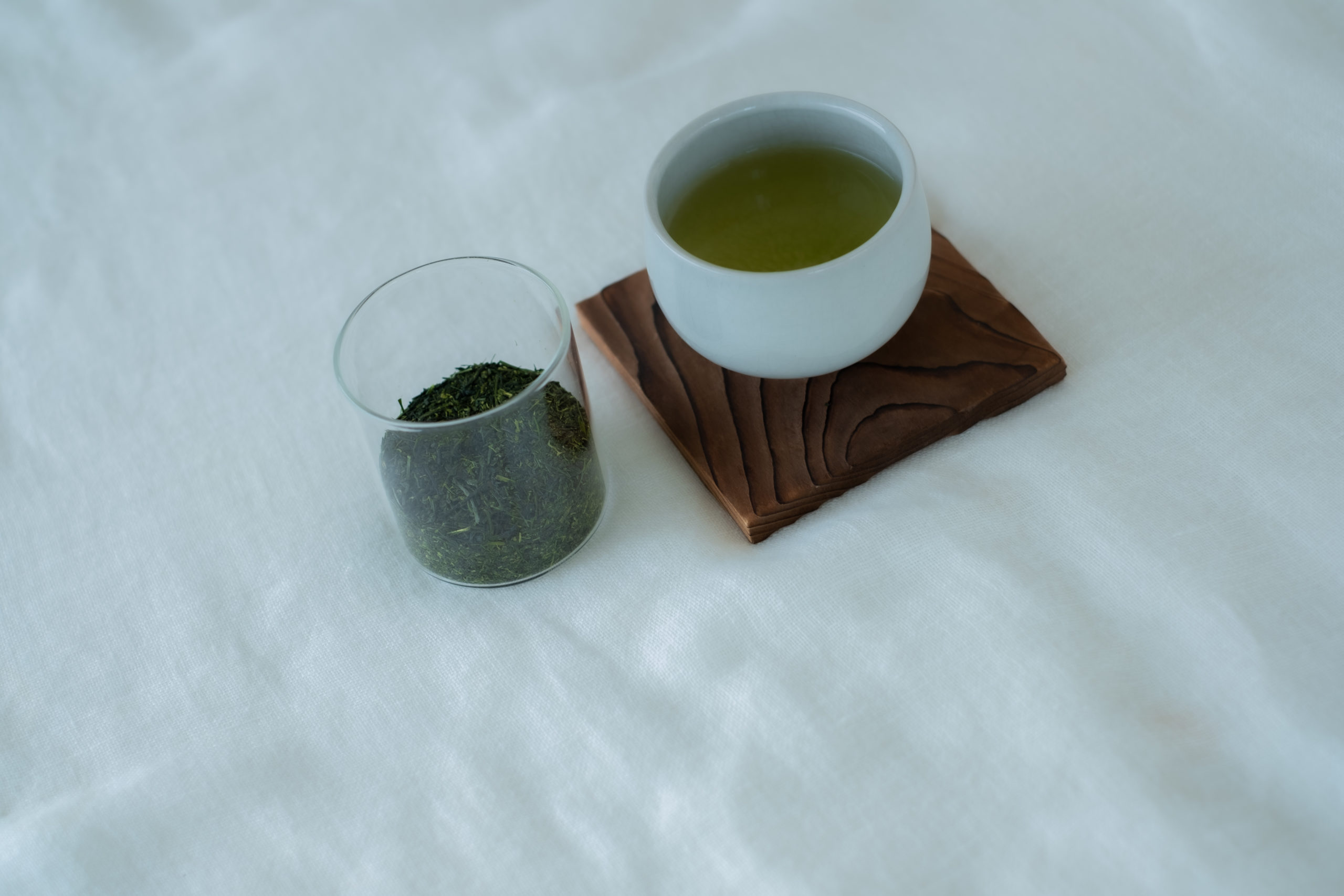
The best Japanese breakfast, lunch or dinner is one that involves both Salmon and green tea in a meal. Would you agree? And the Japanese language identifies this delicious match made in heaven recipe as ochayazuke. Simple yet comforting, the toasty and bitter sweetness of green tea makes the perfect broth to bring boldness and add flavor to rice. Our recipe is quick, easy and flexible to suit your personal preference so long as you use high quality ingredients.
The Ingredients (Serves 1)
- Cooked Japanese rice – 80g
- Salmon – 1 piece
For toppings:
- Nori seaweed – Appropriate amount
- Small rice crackers (optional) – Appropriate amount
- Wasabi – Appropriate amount
- Green onion (finely chopped) – Appropriate amount
- Green tea – 200cc
Method
-
Grill the salmon in the oven for 1 minute, at 180℃
-
Use a fork to shred the grilled salmon into small flake pieces.
-
Serve cooked rice in a bowl and then add salmon and toppings over the rice.
-
Finish off by pouring the hot green tea over, just before eating.
Temari Sushi
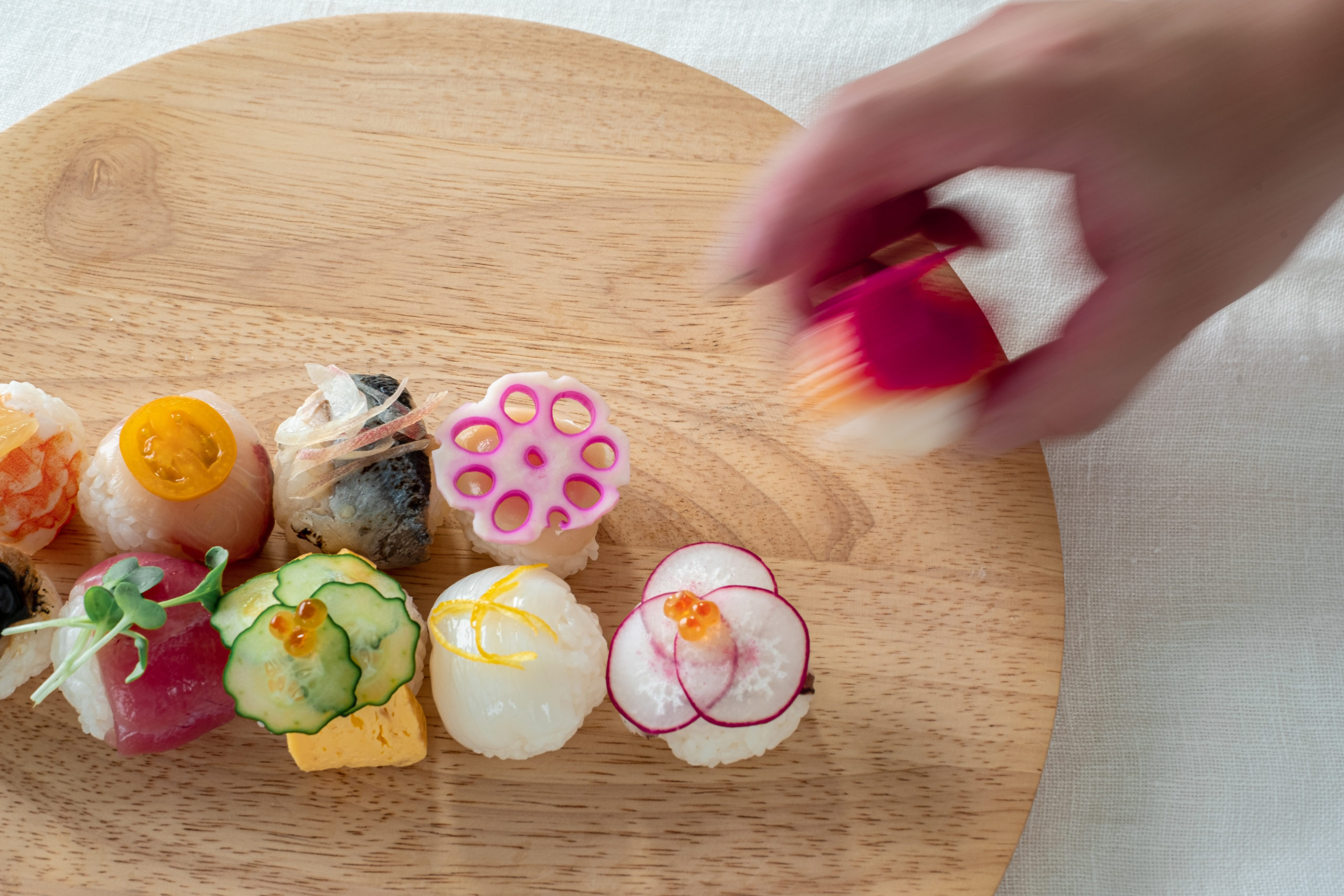
Before you decide to go for your regular sushi take out, we implore you to make your own sushi platter at home with this exquisite recipe. Temari are typically known as ball-shaped sushi and they are served with a variety of toppings for fun occasions. The perks of being close to the fisherman village is that we are blessed with an abundance of fresh seafood. Depending on where you are located right now, when shopping for toppings we recommend that you source from a reliable provider to ensure the freshness of carefully selected seafood or a sashimi supplier that can have them freshly flown from Japan.
The Ingredients (To make 12 pieces)
For sushi rice
- Short-grain white japanese rice – 2 go (360g)
Condiments A
- Rice vinegar – 60cc
- Sugar – 3 tablespoons
- Salt – 1 tablespoon
Topping suggestions for sushi ball:
- Grilled mackerel, sliced
- Slice of egg omelet, cucumber & a sprinkle of cod roe for garnish
- Squid sashimi & strips of Yuzu Citrus peel for a garnish
- Tuna sashimi & a pinch of white radish sprouts for garnish
- Red snapper sashimi & a slice of cherry tomato for garnish
- A slice of Conger eel
- Boiled prawn & a small slice of lemon for a garnish
- Slice of pickled Lotus root
- Octopus sashimi
- Salmon sashimi
Method
- Cook rice, using less water so that rice becomes a little harder than usual. (For ratio, our suggestion is to cook with the same amount of water as rice. 1 go rice = 180cc water.)
- When the rice is cooked, pour condiments A into the rice while it’s still warm. Mix with a cutting motion while cooling rice with a hand fan.
- Spread cling film on the palm, put a small amount of your choice of toppings first, then put a mouthful of rice. Wrap them together and press with your hands firmly enough so that the rice doesn’t fall off. Gently mould into a round shape.
- Remove from the film and serve with garnish (if necessary).
- Repeat steps 3 & 4 per sushi, with your preferred toppings.
If you loved the cooking and tasting the dishes above, we can’t wait for you to discover Miru Amami and immerse yourself in the full culinary experience at Amanari. For more Japanese delights done the Miru way, be sure to check out our other recipes from our sister properties (Kyoto and Niseko).
0 Comments