

SELECT YOUR DESTINATION
News
Dancing in Spring: Experiencing Kyoto’s Rhythm Through Maiko and Geiko Performances
Spring in Kyoto brings cherry blossoms swirling in the breeze but also the graceful dances of maiko and geiko.
These performances, steeped in tradition, are a window into a world of artistry. If you’re planning a trip to Kyoto in 2025, here’s your guide to catching these mesmerising dances—and understanding the women who bring them to life.

Geiko and Maiko: The Artists of Kyoto
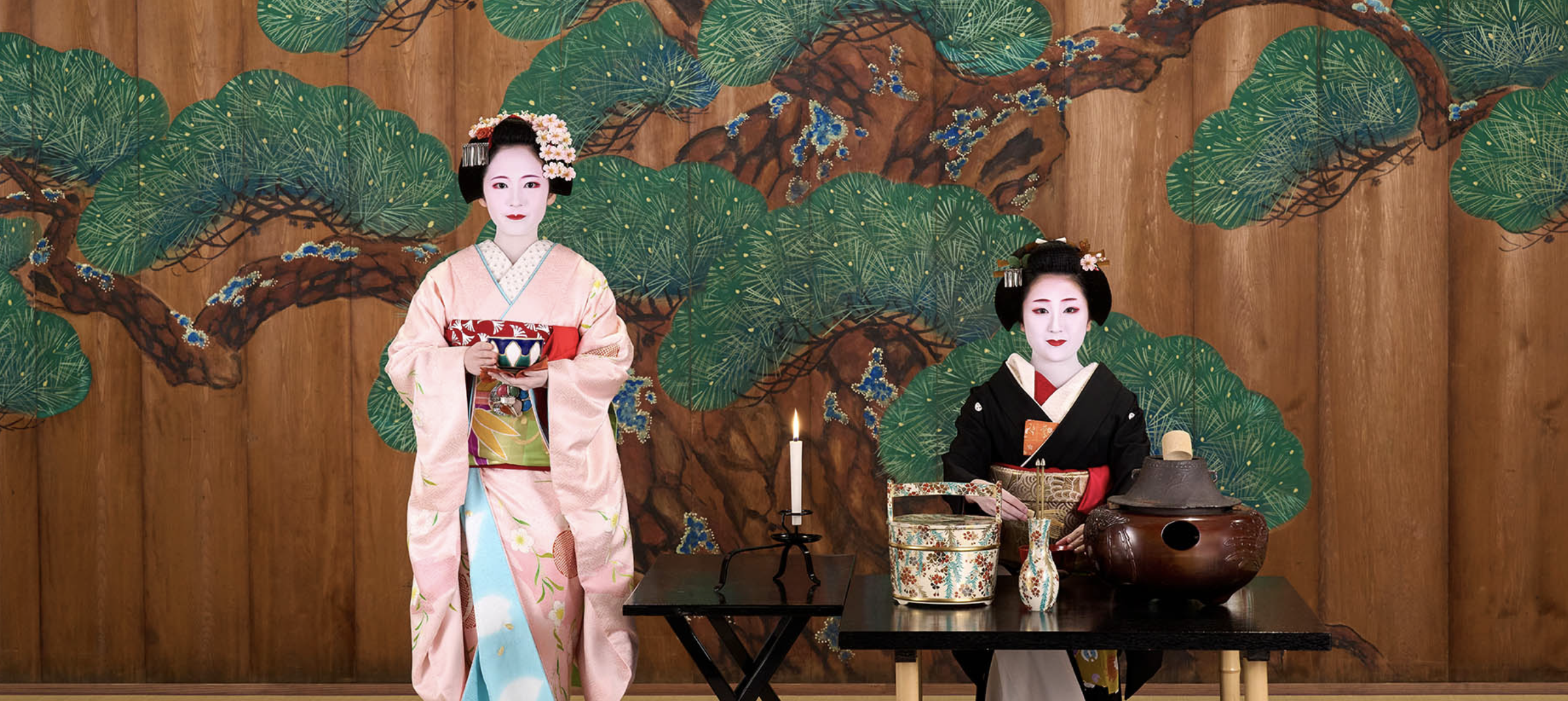
In Kyoto, a geisha is called a geiko, a term that loosely translates to “child of the arts”—a fitting title for women who dedicate themselves to mastering traditional Japanese dance, music, and the art of hospitality. Unlike the more commonly used geisha elsewhere in Japan, geikoreflects Kyoto’s unique cultural heritage and deep-rooted pride in this refined tradition. Alongside them are the maiko, apprentice geiko who often begin their training in their teens. Marked by vibrant kimono and ornate hairpins, maiko undergo years of rigorous practice and guidance within their okiya (geiko house), gradually progressing toward becoming full-fledged geiko.
The path from maiko to geiko is not an easy one. It’s a five-to-six-year odyssey of discipline—learning the slow, deliberate movements of kyomai dance, playing the traditional instrument: shamisen, and the subtle art of conversation. Maiko live in their okiya, under the care of an okāsan (house mother), where every gesture is honed to embody grace. By the time a maiko graduates to geiko—usually in her early twenties—she’s a fully-fledged “person of the arts,” free to carve her own path. It’s a life of dedication, and in 2025, with fewer young women entering the apprenticeship, each performance feels all the more precious.
The Spring Dance
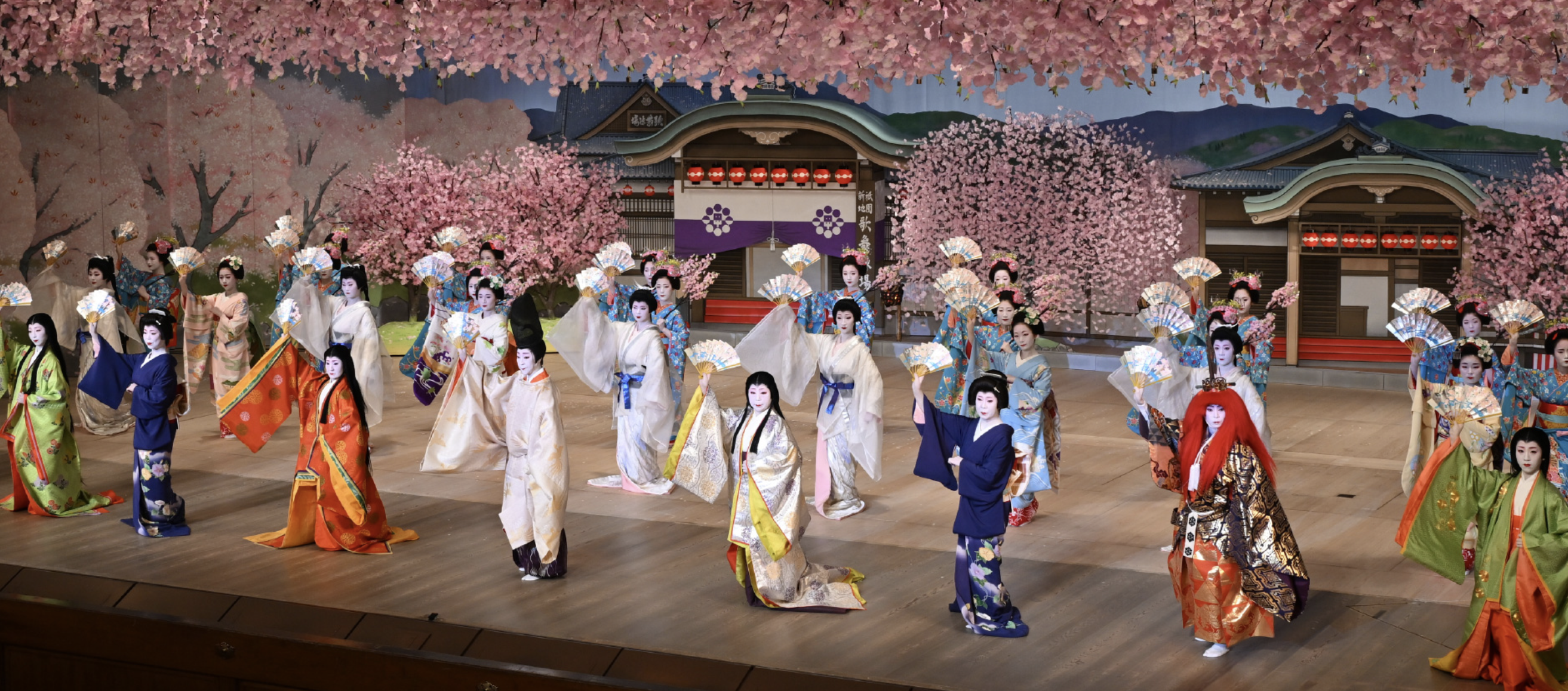
Spring is when Kyoto’s kagai (geiko districts)—Gion Kobu, Pontocho, Miyagawacho, and Kamishichiken—offer their annual dance spectacles. Known collectively as Haru no Odori (Spring Dances), these events are a celebration of the season, and a chance to see maiko and geiko beautiful skills.
A Brief History
By 1872, Japan’s imperial capital had shifted from Kyoto to Tokyo, leaving Kyoto’s streets quieter and its economy on a gentle decline. To revive its spirit and catch the world’s eye, the city hosted the very same year a grand World Expo, sharing its timeless culture with visitors from afar. To enchant the crowds, Kyoto’s authorities arranged a series of dances, giving ordinary onlookers their very first chance to see geiko perform—no exclusive ochaya invitation needed. From that moment, these dances blossomed into an annual tradition.
Calendar 2025
Kitano Odori (Kamishichiken)
March 20 – April 2
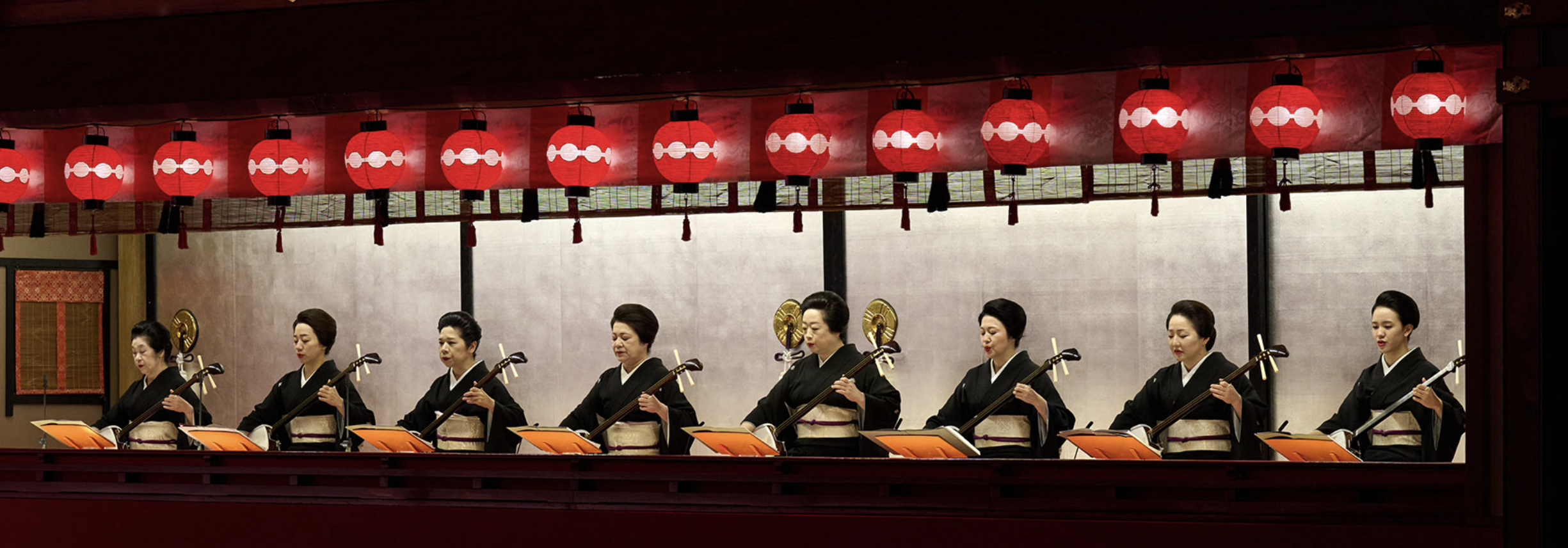
Starting off the season is Kamishichiken district, with the first big dance of spring. Expect a mix of short plays and intricate choreography, culminating in the “Kamishichiken Serenade,” where geiko in sleek black kimonos contrast with maiko in bold, bright colors.
https://www.maiko3.com/kitanoodori/
Miyako Odori (Gion Kobu)
April 1 – April 30
The crown jewel of the spring lineup, held at the Minamiza Theatre, Miyako Odori is a grand affair. Over 60 performers—maiko and geiko from Gion Kobu—bring eight seasonal scenes to life, backed by music and dazzling costumes.
https://miyako-odori.jp/english/
https://miyako-odori.jp/miyako/
Kamogawa Odori (Pontocho)
May 1- May 24
Closing out the spring season, Pontocho’s riverside charm sets the stage for this elegant performance.
https://en.kamogawa-odori.com/
https://www.kamogawa-odori.com/
Cost: ¥4,000–¥7,000
Geiko dances trace their roots to the Edo period, when teahouses and entertainment districts thrived alongside shrines like Yasaka and Kitano Tenmangū. During the Meiji period, there were over 700 teahouses and more than 3,000 geiko and maiko in the Gion district alone. As Kyoto’s status as the capital faded in the 19th century, locals held to their heritage and preserved their traditions. Today, these performances blend nostalgia with living art. Currently, only about 100 geiko and maiko work in roughly 60 teahouses in Gion.
Ochaya: The Teahouses of Legend
No discussion of geiko and maiko is complete without mentioning the ochaya—the teahouses where their magic comes to life. These aren’t your typical tea spots; most primarily serve alcohol. Ochaya are refined, high-class establishments, often centuries old, handed down through generations of proprietresses.
Think tatami rooms, low tables, and an air of secrecy—entry is by invitation only, typically via a trusted regular who can vouch for you. Inside, geiko and maiko host ozashiki, private parties where guests enjoy dance performances, drinking games, and conversation over sake and kaiseki meal. It’s a world apart, where time slows and every moment is curated. It’s a rare glimpse into Kyoto’s hidden soul.
The Kagai: Kyoto’s Geiko Districts
Kyoto’s geiko culture thrives in its five kagai, or “flower towns,” each with its own style. Gion Kobu, the largest and most prestigious, is the heart of Miyako Odori, its narrow lanes buzzing with history. Gion Higashi, smaller and scrappier, shines in autumn. Pontocho, stretched along the Kamogawa River, has a bohemian edge, while Miyagawacho blends warmth with accessibility. Kamishichiken, near Kitano Tenmangū, feels like a quiet village, its dances a local secret worth seeking out. Together, they’re the living tapestry of Kyoto’s geiko world—ochaya, okiya, and all.
Why It Matters
As spring starts in Kyoto this year, these dances feel like a gentle rebellion against the modern rush—a reminder of a craft that bends but never breaks. With maiko numbers dwindling, each performance is a testament to resilience, a chance to witness something timeless. Reserve a ticket, drink some matcha, and let the geiko and maiko sweep you into their world. It’s Kyoto at its most elegant—and most alive.
————————
Make the most of your Kyoto experience by staying at Miru Kyoto Gion or Miru Kyoto Nishiki—two boutique stays blending tradition with modern comfort. Wake up to Kyoto’s quiet charm, steps away from the city’s most enchanting sights.
Don’t miss out on the latest updates about Kyoto’s culture, seasonal events, and hidden gems! Follow us on Instagram for exclusive insights, behind-the-scenes glimpses, and all the inspiration you need for your next trip.
Book your Kyoto stay through us: Miru Kyoto Gion & Miru Kyoto Nishiki
Follow us on Instagram: @mirukyotogion @mirukyotonishiki
0 Comments