

Select Your Destination
News
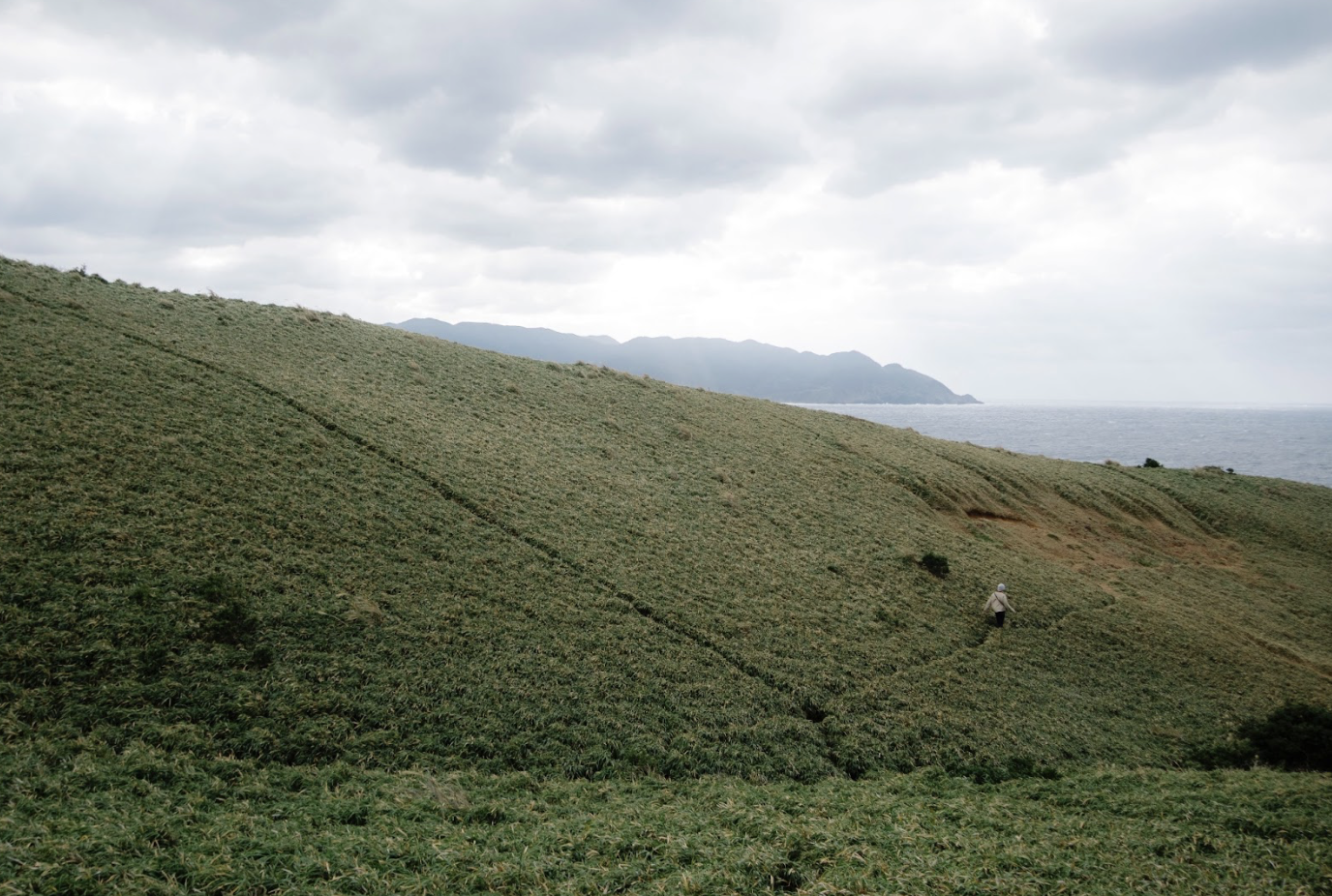
The Warmest Winter in Japan: January–February in Amami
Why Winter in Amami Feels Different
While much of Japan is wrapped in heavy coats and snow, Amami Ōshima moves at a gentler pace. From January through February, days hover around 18–20°C, the light is soft, and the island feels calm and spacious. It’s not summer, and that’s precisely the beauty of it.
This is a season for quiet beaches, long walks, and unhurried mornings—a time when nature breathes more slowly, and so do you.
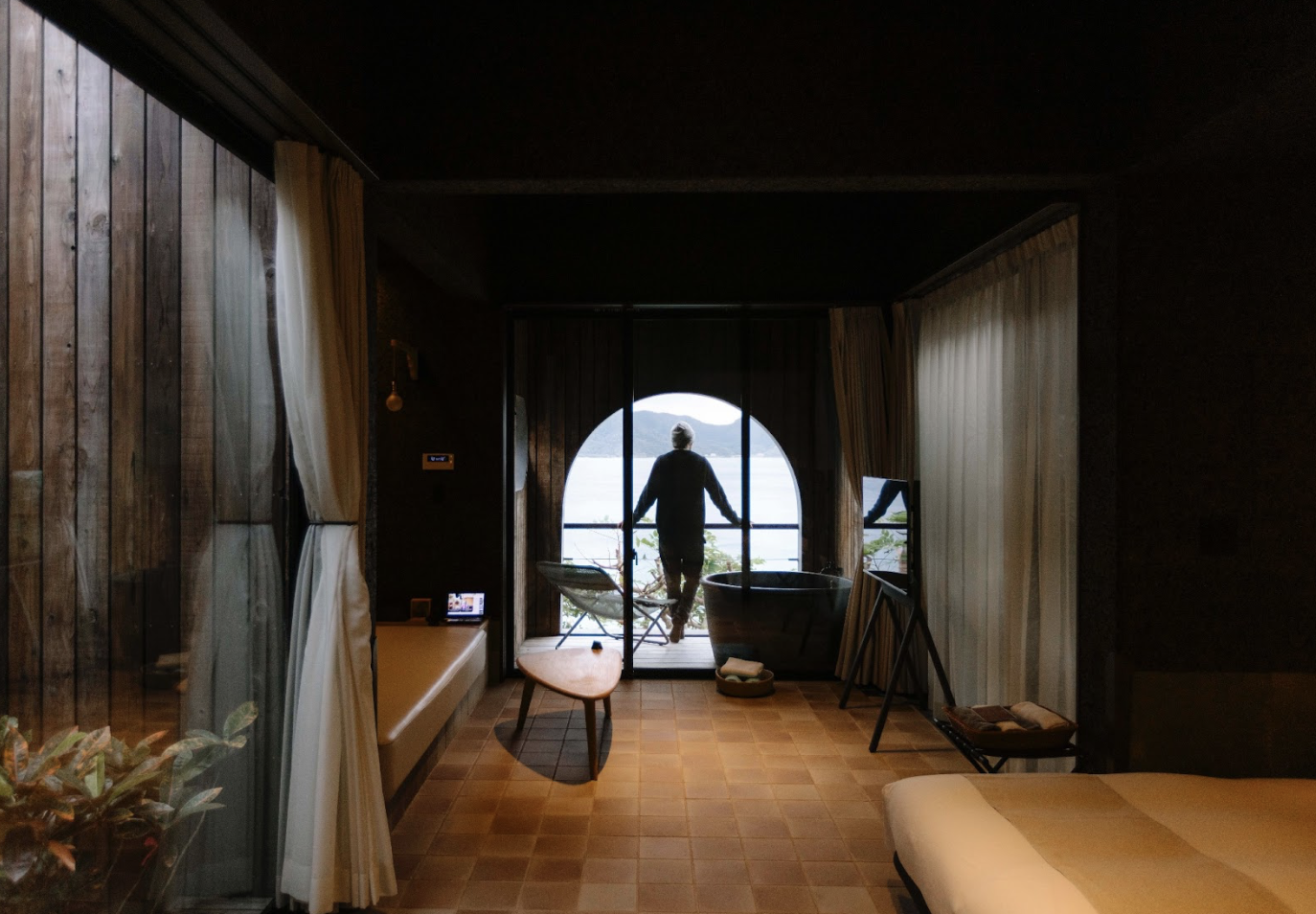
Gentle Winter Days: What January–February Feels Like
Winter in Amami doesn’t demand much.
A light jacket in the early morning, bare feet by midday, evenings spent listening to the sea.
The air is crisp without being cold, and the ocean remains close—visually, emotionally, and rhythmically. Without the intensity of summer heat, even simple moments feel restorative.
Nature in Its Winter Rhythm
January and February reveal a quieter side of the island.
- Calmer seas make coastal walks and SUP especially peaceful
- Birdlife becomes more visible, with winter visitors sharing the forests and shorelines
- Coral and marine life remain active beneath clear waters
- Sunrises feel sharper, colors more defined
This is not a season of spectacle—it’s a season of presence.
Whale Season: The Heart of Winter
From January through March, Amami’s waters become home to migrating humpback whales.
December marks the beginning of their return offshore, but January is when whale-watching tours officially begin, as sighting rates become consistently high. February remains one of the most rewarding months, with calm conditions and frequent encounters.
Watching these giants surface, breach, and glide through warm waters is one of Amami’s most humbling winter experiences—and one that pairs naturally with a slow, reflective stay.
Whale Watching Tour:
https://mirucollection.com/miruamami/services/whale-watching-tour/
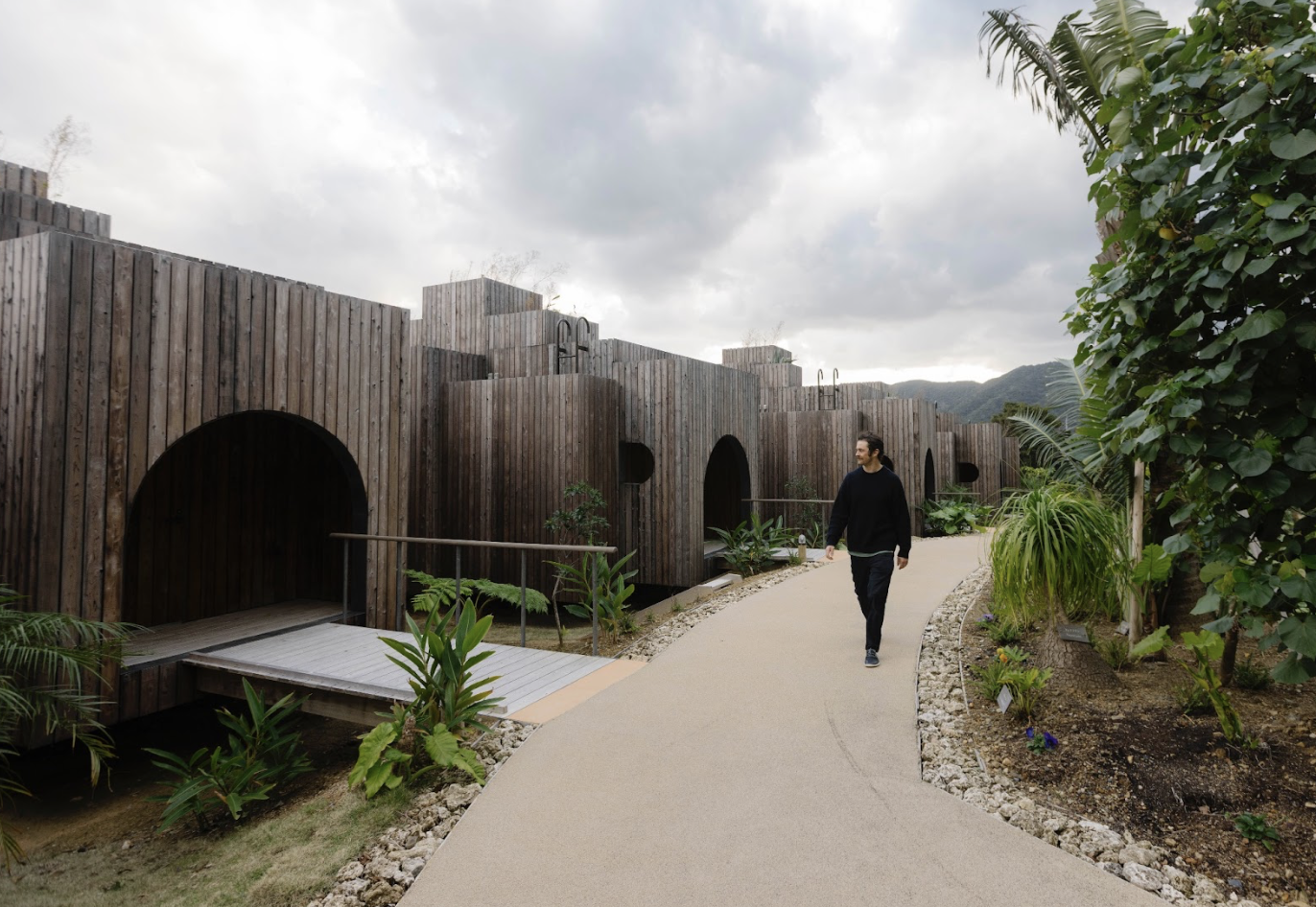
What to Pack for a Light Winter Escape
January–February travel is refreshingly simple:
- Light jacket or windbreaker
- Long sleeves for mornings and evenings
- Swimwear for warm days and villa pools
- Comfortable shoes for sand and forest paths
No heavy layers. No rushing. Just space to move lightly.
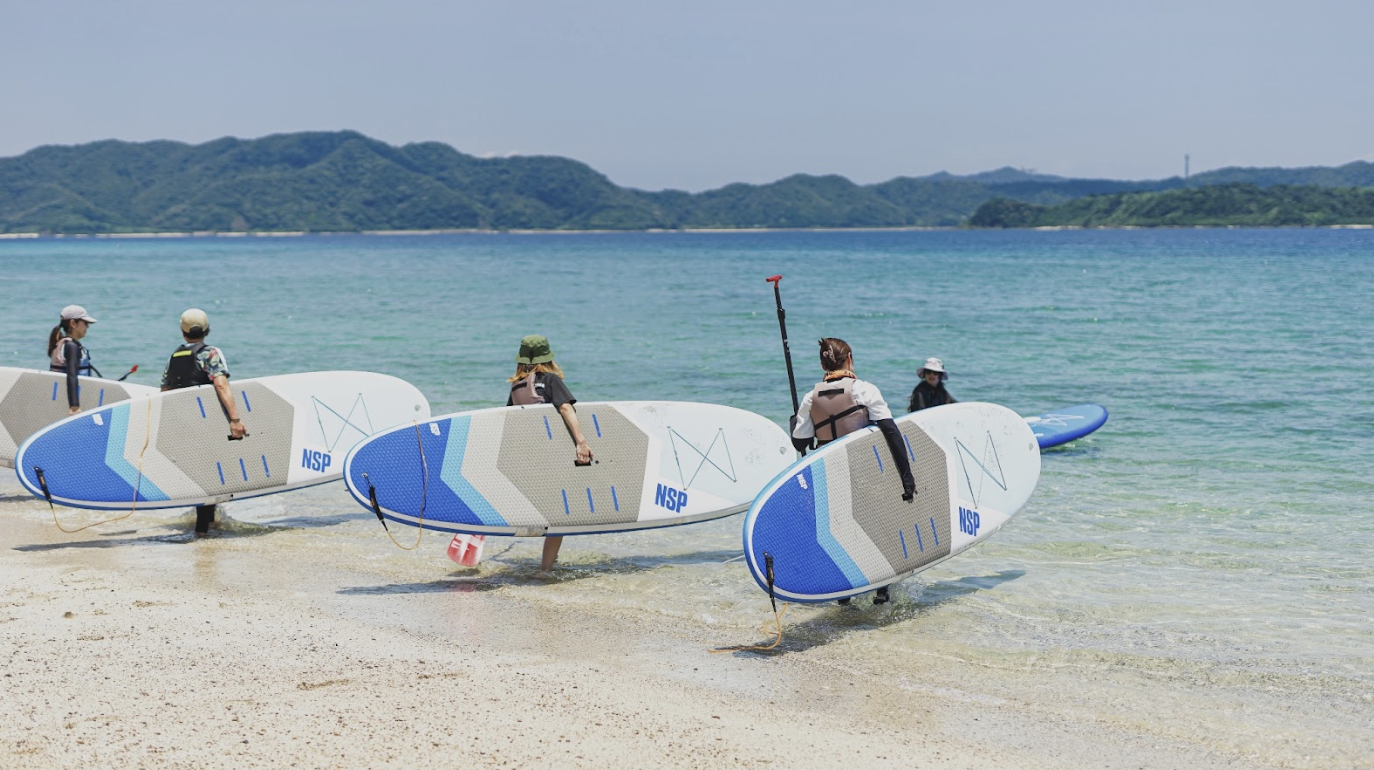
Winter Activities for Sun Seekers
Winter in Amami is a season of quiet warmth and unhurried movement — ideal for guests who prefer gentle, grounding experiences over high-energy itineraries.
- Bike rides along the coast, with the sea always in view
- Long coastal walks at low tide, following the rhythm of the tides
- Morning or sunset runs on quiet island roads
- Wind Surfing on calm winter waters, perfect for relaxed sessions
- Stand-up paddleboarding in sheltered bays
- Quiet afternoons by the pool, book in hand
- Private yoga sessions
- Swimming in the sea: winter sea conditions require wetsuits or dry suits; all equipment is provided by our partner marine guides.
It’s a winter designed for adults, couples, and solo travelers — for those seeking restoration, space, and a slower connection to nature.
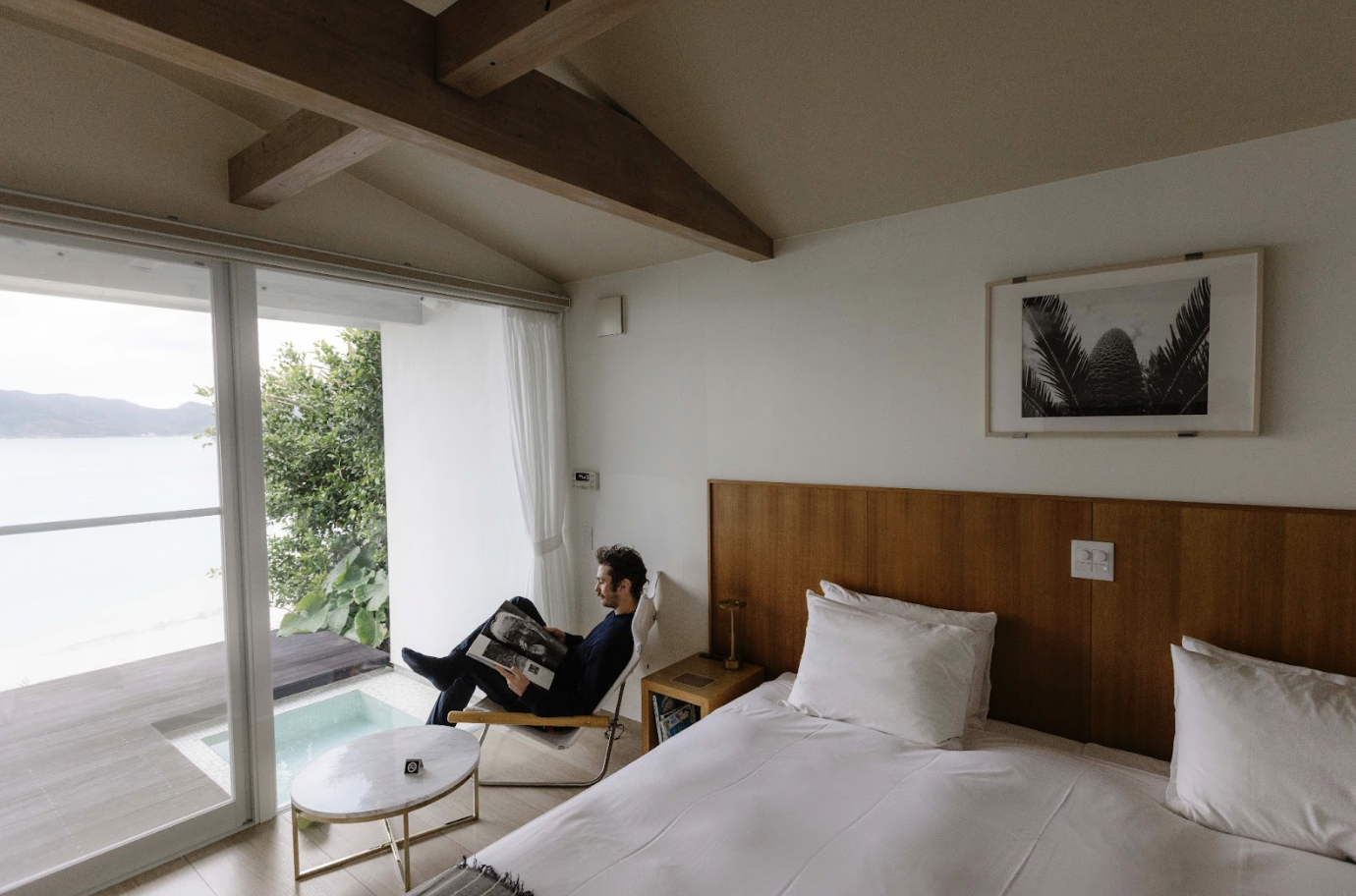
Staying at Miru Amami in Winter
Miru Amami’s villas are designed for stillness and connection — especially in winter.
With fewer guests on the island, January and February feel more intimate. Days unfold slowly between forest and sea, and evenings settle into a deep, restorative quiet. This is also a season when Amami’s traditions come gently into focus: sugarcane is harvested, kokutō shōchū enters its production period, and Tankan citrus ripens across the island, filling markets with bursts of bright colour and fragrance.
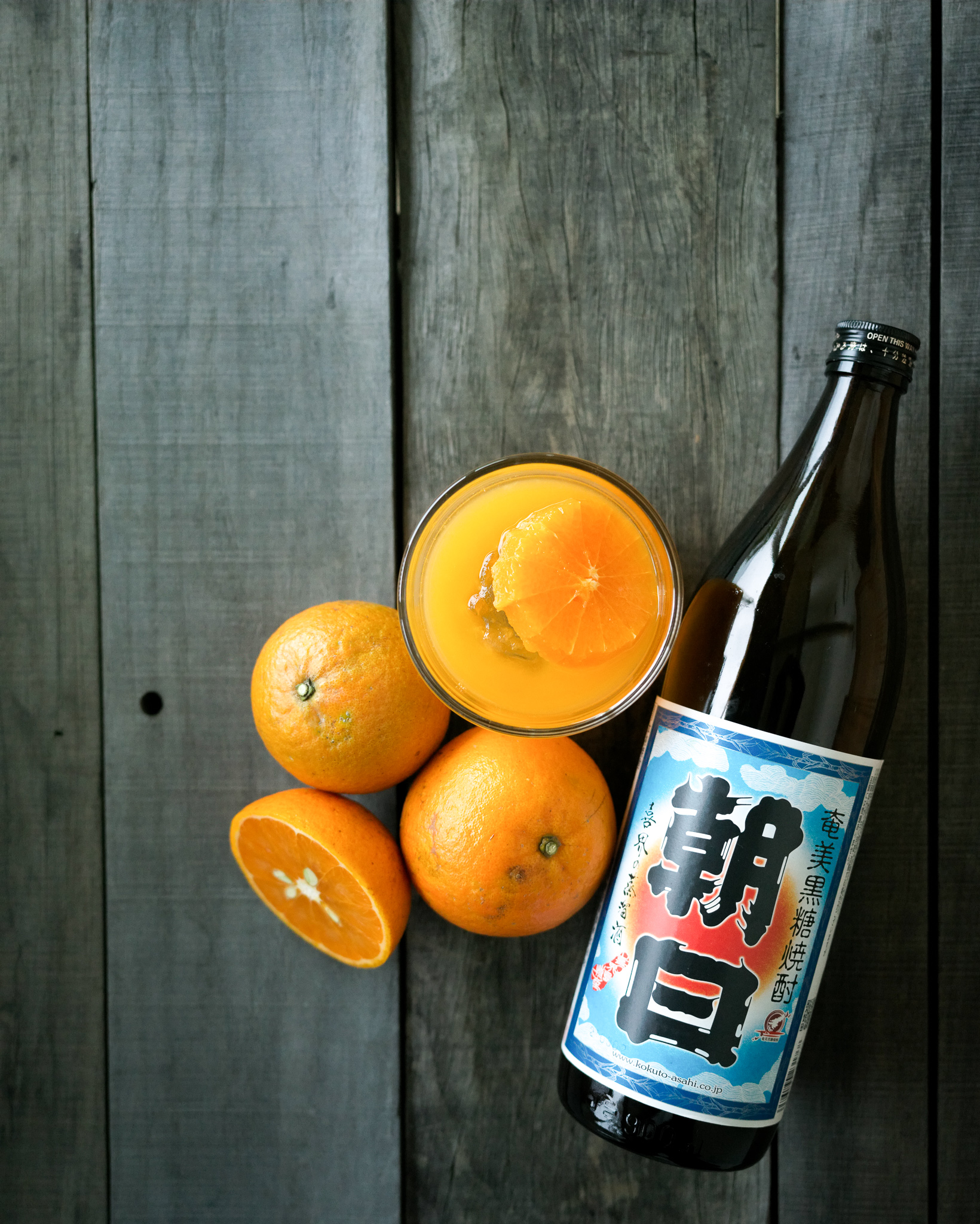
At Amanari, seasonal island ingredients naturally shape the menu, echoing the rhythms of winter and the land itself. Simple, grounding flavours pair effortlessly with the slower pace of the days.
This is Amami at its most honest — unhurried, seasonal, and quietly rich in character.
Why January–February Is the Best Time to Come
- Warmest winter climate in Japan
- Peak whale season (January–March)
- Fewer visitors, more privacy
- Ideal conditions for slow travel and reflection
Winter here doesn’t ask you to escape the cold—it invites you to forget it entirely.
Forget the winter cold and rediscover your natural rhythm. We look forward to welcoming you to the gentle light and soothing tides of Miru Amami.
Book your stay:
https://mirucollection.com/miruamami/
Follow us on Instagram: @miruamami