

Select Your Destination
News
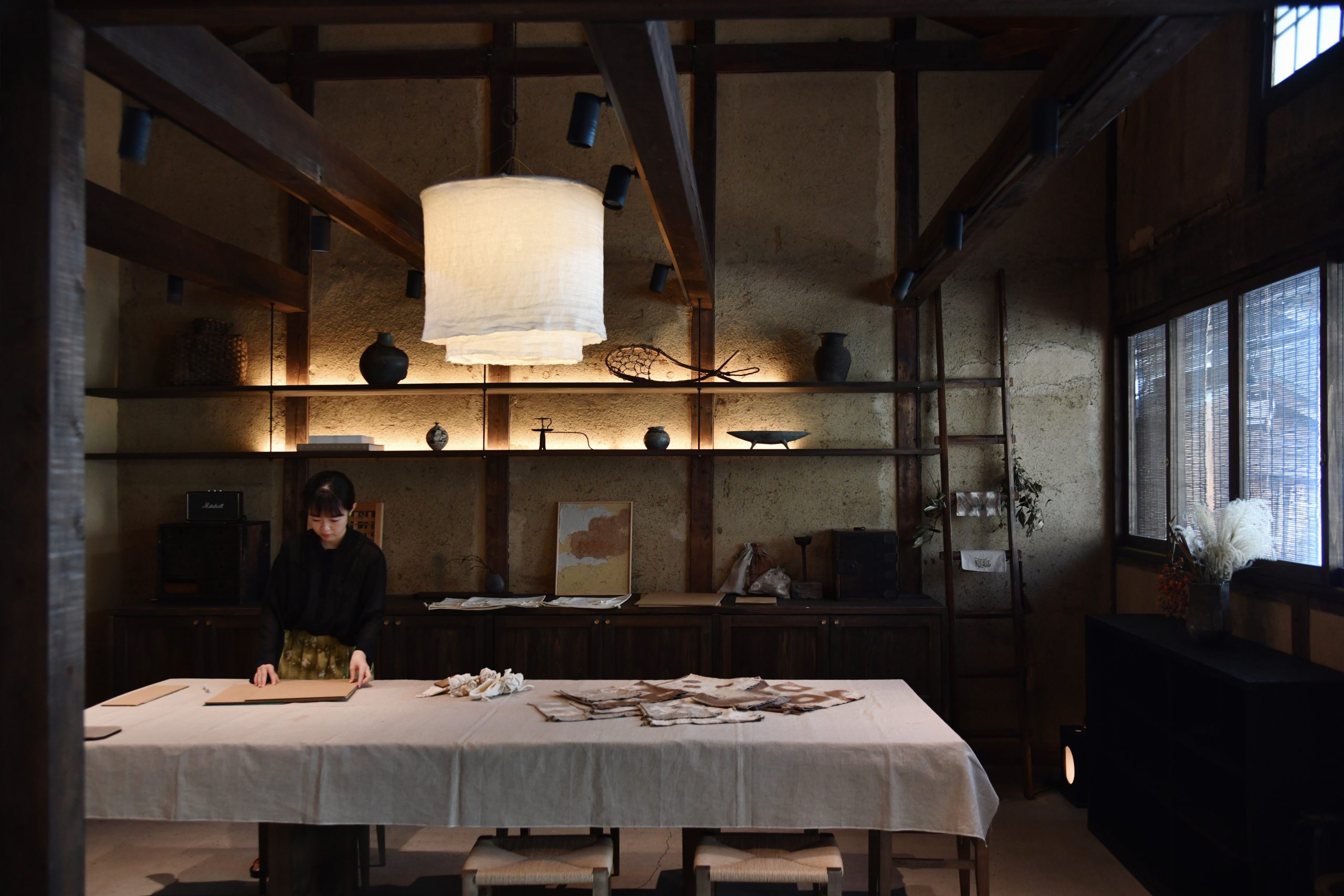
Kyoto This Summer: Pottery, Paper, Fermentation
Looking for things to do in Kyoto in summer? This season, try something quieter: a cool, hushed workshop where you can keep your hands occupied and your mind emptied.
[Key Takeaways: Summer Craft Workshops]
- Asahiyaki, Uji: Experience 400 years of history and work directly with Uji clay at a historic kiln.
- Karamaru, Shijo Karasuma: Try hand-printing Kyo-karakami using woodblocks carved in the Edo period.
- Maana Atelier, Nishijin: Explore fermentation, tea, and earthen-wall art inside a traditional machiya townhouse.
[Workshop Details]
- Duration: Approx. 2 hours
- Language: English guidance available
- Booking: Advance reservation recommended
- Base: Easily accessible from Miru Kyoto Gion or Miru Kyoto Nishiki
Each program allows you to work directly alongside a craftsperson. Escape the heat while immersing yourself in Kyoto’s deep-rooted craft culture.
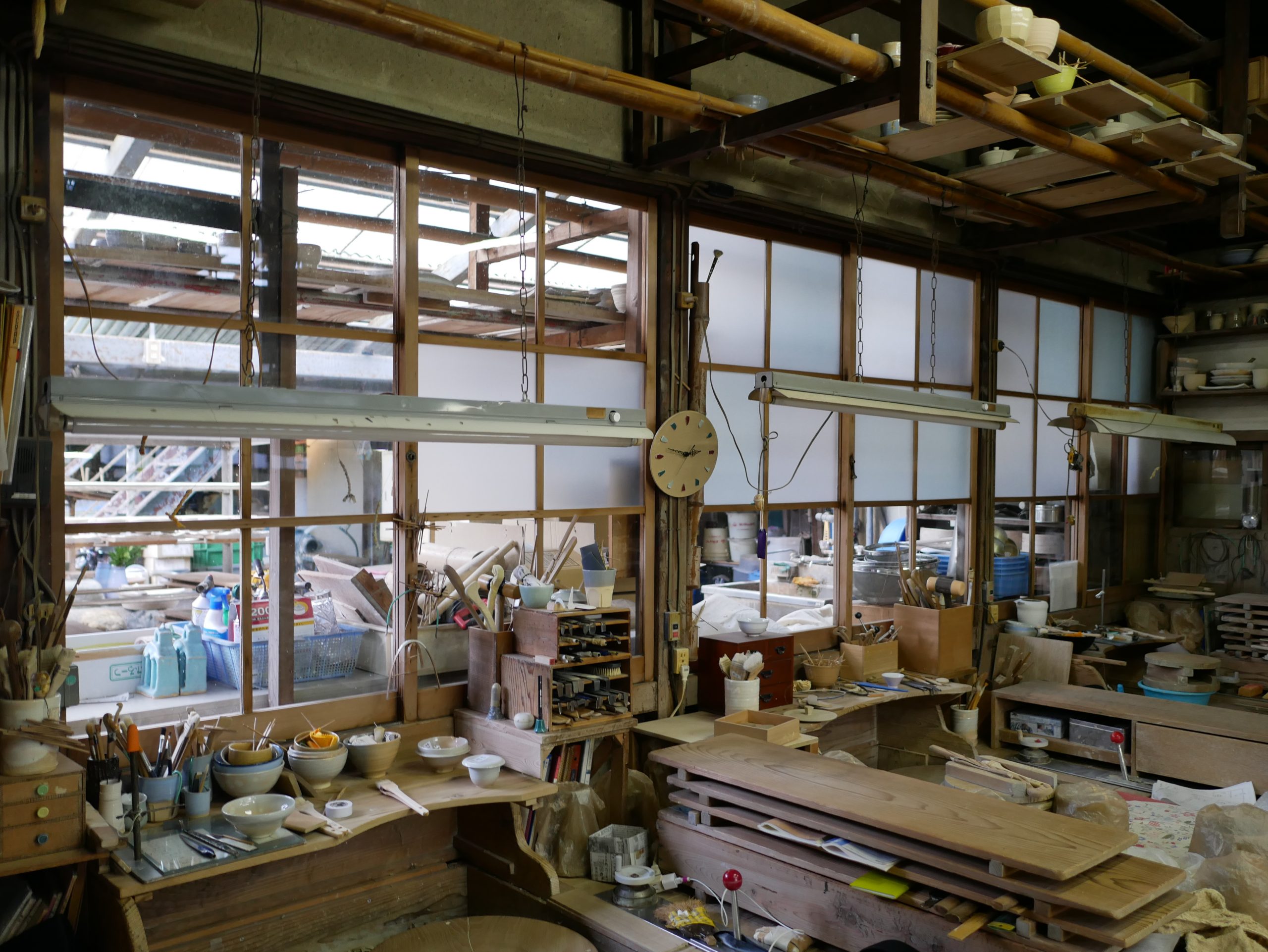
Asahiyaki, Uji: A 400-Year-Old Pottery Kiln
Asahiyaki has made tea ceramics in Uji since 1600. The kiln is now in its sixteenth generation, run by the Matsubayashi family.
The pottery class sits a short walk from Uji Station, past workshops and old wood-fired kilns, in a room at the back of the compound. Sessions run about 90 minutes. You can work on an electric wheel or build by hand, shaping a tea bowl, cup, or small vase from clay. An English demonstration comes first, then you’re on your own with the instructor nearby.
Finished pieces are fired over roughly two months and shipped to you. It’s a slow souvenir, the kind that arrives after the trip is already a memory.
How to get to Asahiyaki from Miru Kyoto Gion: Walk 3 minutes to Gion Shijo Station, take the Keihan Main Line to Chushojima, then transfer to the Keihan Uji Line to Uji Station. About 35 minutes, then a 10-minute walk to the studio.
How to get to Asahiyaki from Miru Kyoto Nishiki: Walk 10 minutes to Shijo subway station, take the Karasuma Line to Kyoto Station, then transfer to the JR Nara Line (rapid service) to JR Uji Station. About 1hour total, including a 15 minute walk or short taxi ride to the studio.
Reserve a pottery session at Asahiyaki →
Address: 11 Ujiyamada, Uji City, Kyoto
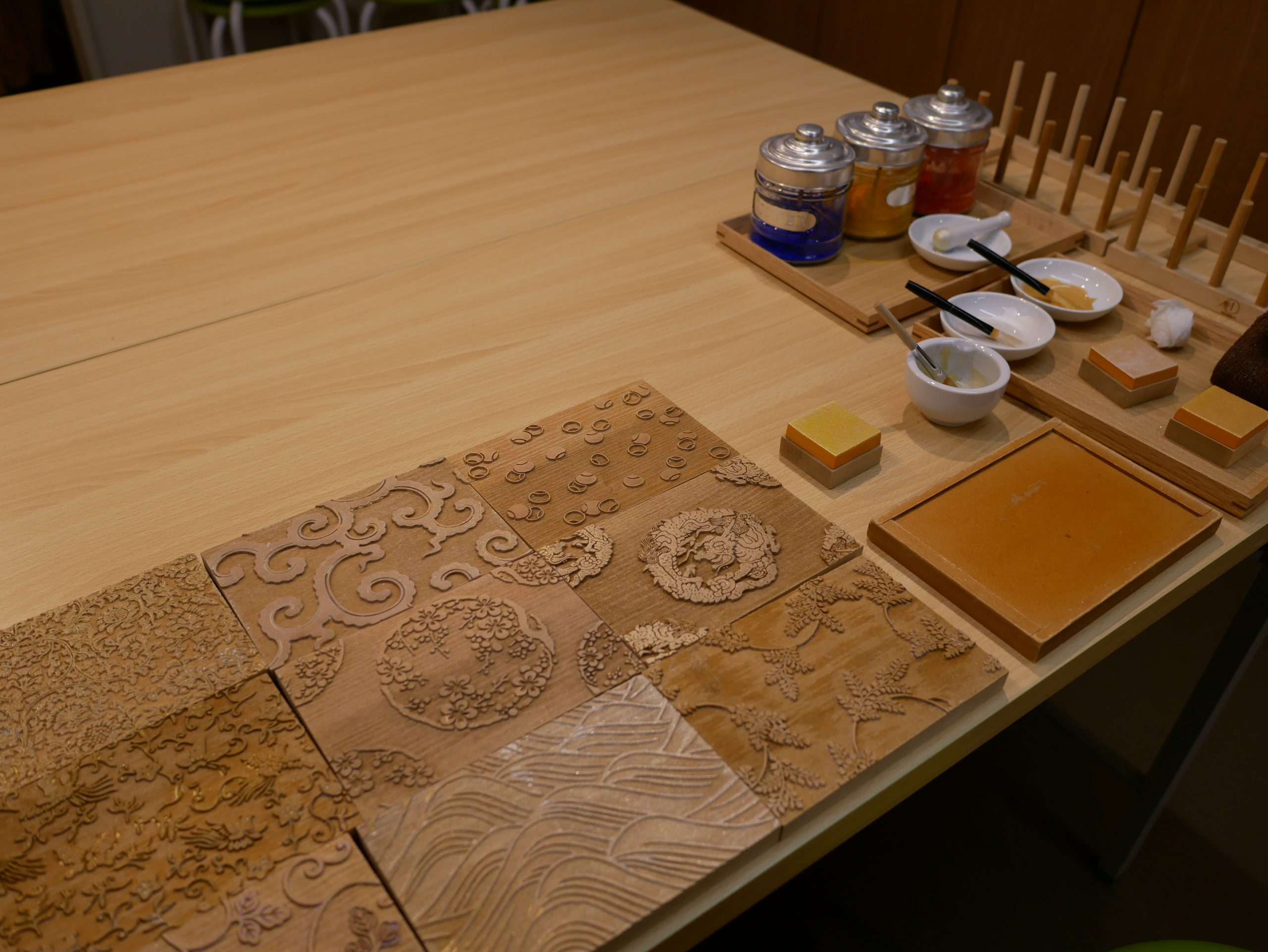
Karakami Paper Printing at Karamaru
Karakami is woodblock-printed paper, used historically for fusuma sliding doors and folding screens. It came to Japan from Tang China in the Nara period and took root in Kyoto during the Heian period, where it became standard in aristocratic interiors and, later, tea rooms.
Karamaru, in Shimogyo-ku near Shijo Station, is a small shop and studio built around the craft. The printing blocks are hand-carved magnolia wood, some dating to the 1830s. The pigments are mica and gofun, a white pigment made from crushed shell, pressed onto washi paper by hand — literally, with the palm.
Workshops range from short postcard printing sessions to full panel-making and lamp-making courses, plus a walking tour that places the craft in the context of the neighborhood. Everything happens at a table, in a small room, with the actual historical tools.
How to get to Karamaru from Miru Kyoto Gion: About 20 minutes walk, or a 10-minute taxi ride.
How to get to Karamaru from Miru Kyoto Nishiki: A 10-minute walk down Yanaginobamba-dori, or a 5-minute taxi ride.
See Karakami workshops and reserve →
Address: 460 Senshoji-cho, Shimogyo-ku, Kyoto
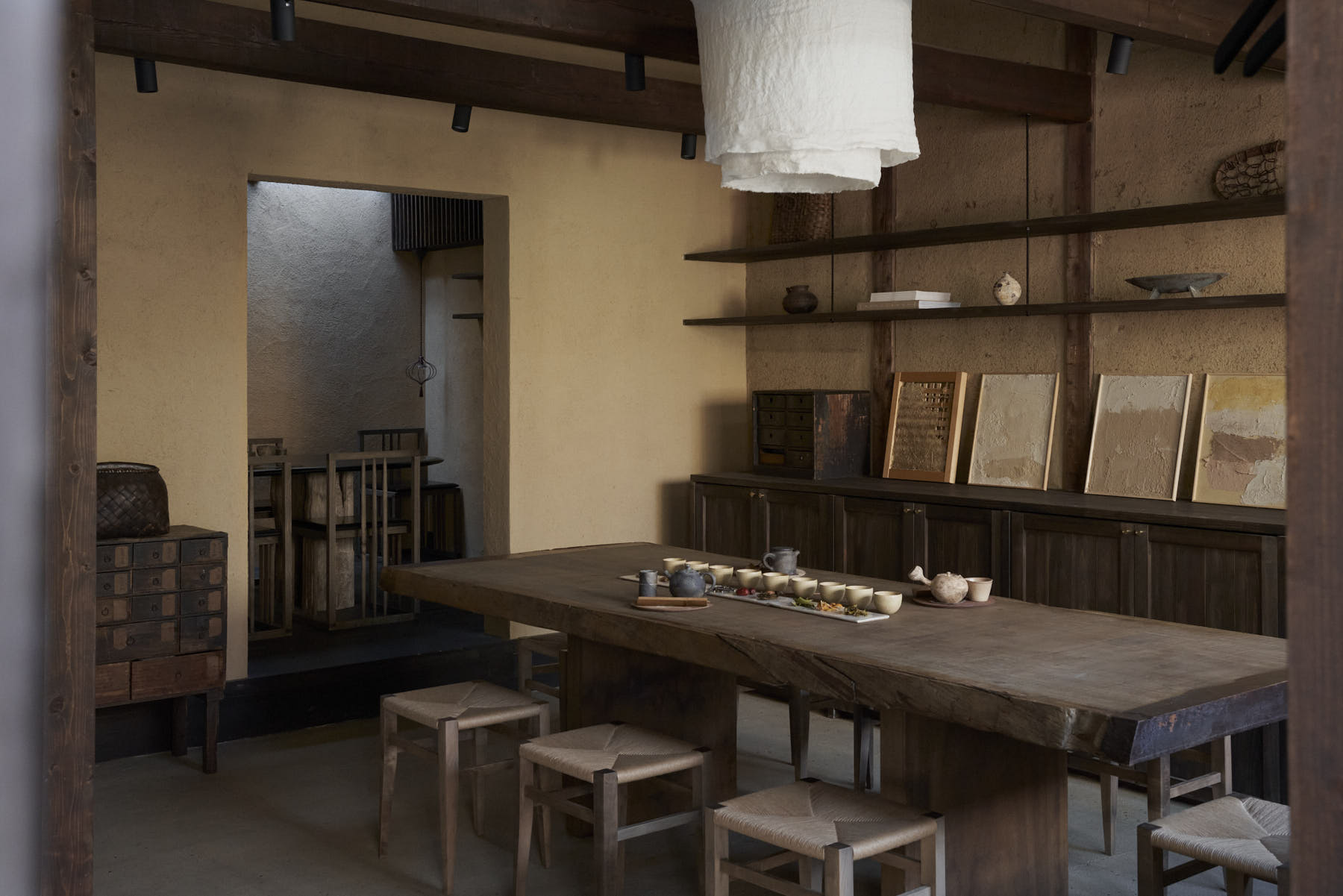
Maana Atelier, Nishijin: Fermentation, Tea, and Earthen Wall
Maana Atelier occupies a restored machiya in Nishijin, Kyoto’s old weaving district — a neighborhood of narrow lanes and lattice fronts that has been home to textile workshops for over a thousand years. The space is built from stone, soil, and wood, and stays cool and quiet even in peak summer.
Maana runs a full calendar of workshops at the atelier, plus tea ceremonies a few blocks away at a private tea house. Worth planning around this season:
Koji Fermentation Workshop — a hands-on session making two seasonal pantry staples using traditional fermentation and preservation techniques, guided by Maana’s culinary team.
Kyoto Botanical Teas Workshop — blend your own tea using foraged and farmed ingredients tied to the current microseason, with tastings alongside.
Tea Dye Workshop — dye textiles using spent tea leaves and traditional methods, and take home your own tea-dyed cloth.
Earthen Wall Workshop — build a small art panel using tsuchikabe, the clay, rice straw, sand, and seaweed mixture used in traditional machiya walls. A hands-on introduction to a material most visitors only see, never touch.
Morning Tea Ceremony & Breakfast — a traditional tea ceremony and Japanese breakfast, led by tea master Eriko. A calm, structured start to the day before the city gets busy.
Night Tea Ceremony & Dinner — summer-only (July through September), a candlelit evening tea ceremony followed by a multi-course seasonal dinner, as the garden settles into dusk.
All sessions are conducted in English, with Japanese as needed.
How to get to Maana Atelier from Miru Kyoto Gion: Take the Tozai subway line from Sanjo Keihan Station (8 minute walk from the hotel) to Karasuma-Oike, transfer to the Karasuma Line heading north to Kuramaguchi Station, then a 10-minute walk or short taxi. About 30 minutes total, or a direct taxi in roughly 20 minutes.
How to get to Maana Atelier from Miru Kyoto Nishiki: Take the Karasuma Line north from Karasuma-Oike to Kuramaguchi Station, then a 10-minute walk or short taxi. About 25 minutes total, or a direct taxi in roughly 13 minutes.
Address: 82-3 Kamikinoshitachō, Kamigyo Ward, Kyoto
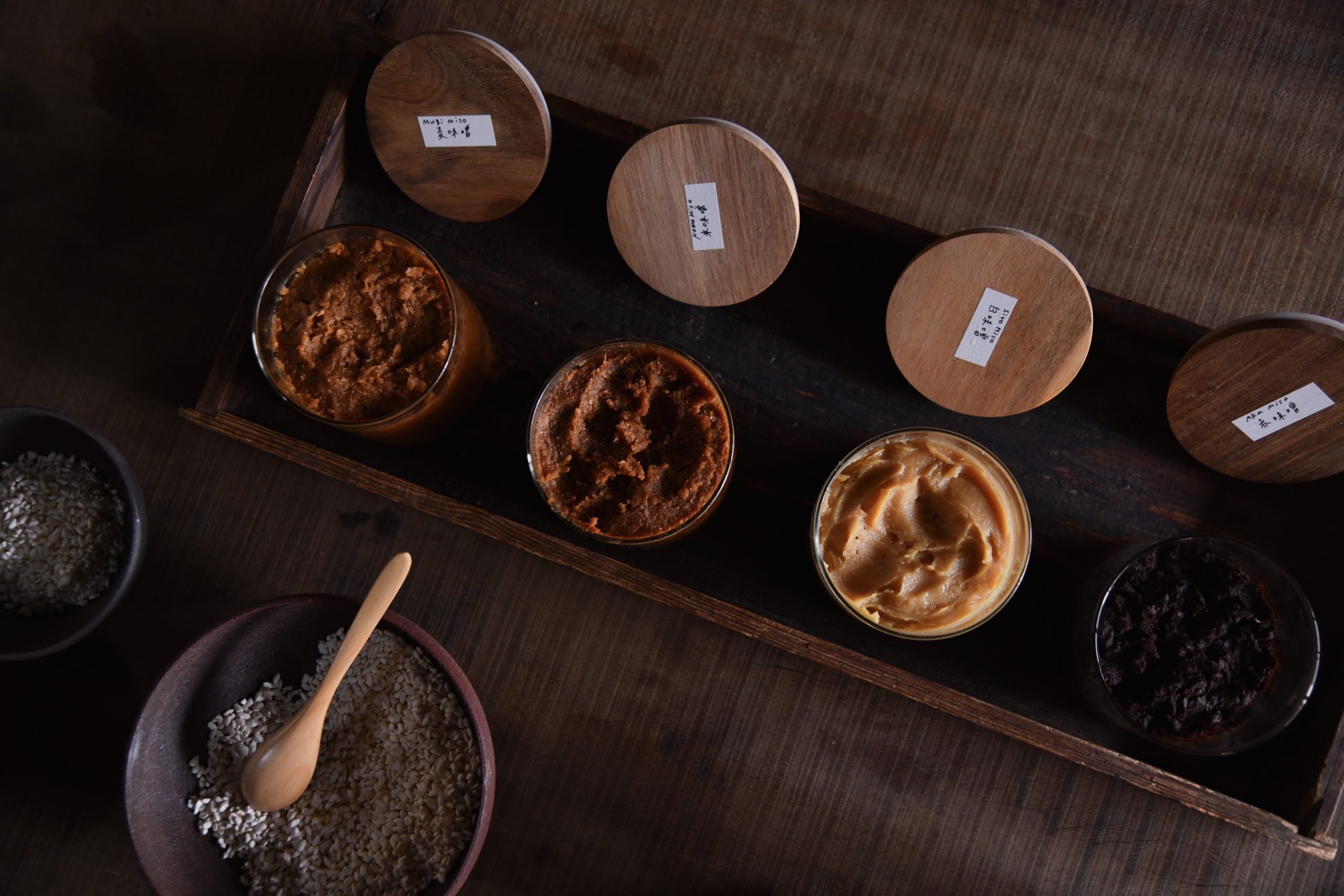
Discover Kyoto’s Summer Through Traditional Craft
Take a break from sightseeing and spend a few hours creating something by hand in the cool, quiet atmosphere of a traditional workshop. It’s a different way to experience Kyoto in summer—one that invites you to slow down and connect with the city’s living traditions.
Whether it’s shaping clay from Uji, printing with hand-carved Kyo-karakami woodblocks, or exploring the worlds of fermentation and natural indigo dyeing in Nishijin, each workshop offers a glimpse into skills that have been passed down through generations. Guided by dedicated artisans, you’ll experience not only the craft itself, but also the stories and traditions behind it.
Miru Kyoto Gion or Miru Kyoto Nishiki: Which Is Right for You?
Both hotels are ideally located for exploring Kyoto’s craft workshops, each offering a different way to experience the city.
Miru Kyoto Gion is located in the heart of Gion and Higashiyama, surrounded by historic machiya townhouses and atmospheric stone-paved lanes. It’s the perfect choice if you’d like to wander through Kyoto’s traditional streets before or after your workshop experience.
Check availability at Miru Kyoto Gion →
Miru Kyoto Nishiki is conveniently located in central Kyoto, with easy access to Nishiki Market and the Shijo-Karasuma area. Reaching studios such as Karamaru and Maana Atelier is simple, making it an excellent base for combining hands-on craft experiences with Kyoto’s renowned food scene and vibrant city life.
Check availability at Miru Kyoto Nishiki →
Frequently Asked Questions
What are the best indoor activities in Kyoto during summer? Hands-on craft workshops are a good option for hot months, since most run in air-conditioned studios. Pottery making in Uji, Karakami paper printing in central Kyoto, and fermentation or dyeing workshops at Maana Atelier in Nishijin are all under two hours and don’t require walking between outdoor sites.
Do these workshops require Japanese language ability? No. All three studios — Asahiyaki, Karamaru, and Maana Atelier — offer English-language instruction, with Japanese available if needed.
Can I ship pottery made in Uji back home? Yes. Pieces made at Asahiyaki are fired over roughly two months and shipped internationally after completion.
Three studios, three materials, one shared thread: all of them are still run by the people who inherited the craft, working at their own pace, in rooms built to stay cool through the summer.
Reserve Your Stay
[Book Miru Kyoto Gion →] [Book Miru Kyoto Nishiki →]
Book directly for the best available rate.
Follow us on Instagram: @mirukyotogion / @mirukyotonishiki