

Select Your Destination
News
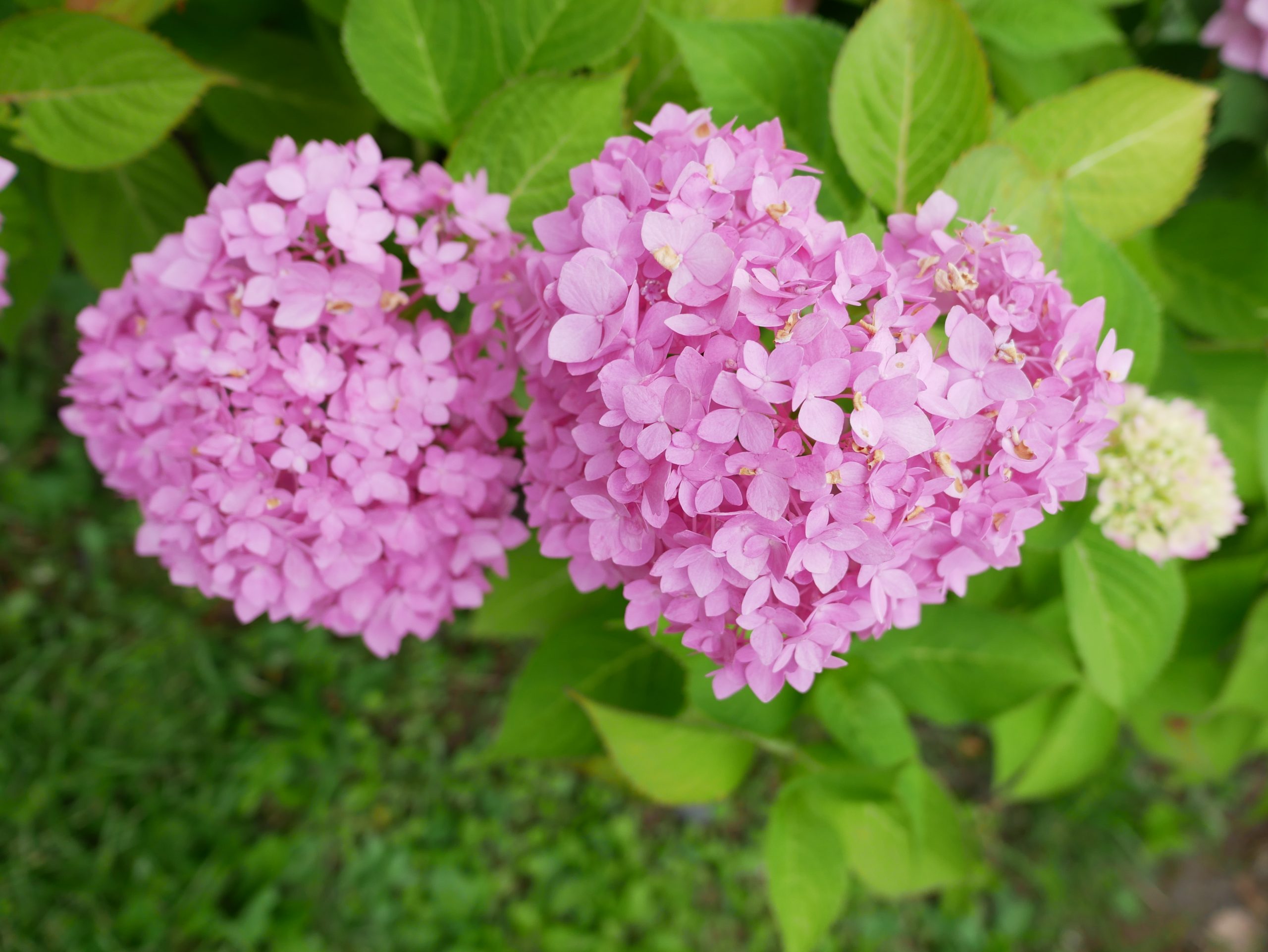
A Guide to Kyoto in June: Is the Rainy Season Worth It?
Most guests discover Kyoto in spring, drawn by the cherry blossoms, or return in autumn for the red foliage. Both are extraordinary. Both are crowded. June is something else entirely — quieter, more atmospheric, and arguably more revealing of what makes this city singular. The rainy season deters many visitors, which is precisely its appeal.
The temples breathe again. The moss gardens reach their deepest green. Hydrangeas come into bloom across the city. For those who have experienced Kyoto before and wish to see it at its most unhurried, June is the month to return.
The Rainy Season, in Context
Tsuyu — Japan’s rainy season — usually begins in early June and lasts through mid-July. Rain becomes part of everyday life during this season, but it rarely lasts all day. Between passing showers and cloudy skies, there are often calm moments perfect for walking through the city’s quieter streets and gardens. With temperatures around 20–28°C, a small umbrella and comfortable shoes are usually all you need to enjoy Kyoto in June.
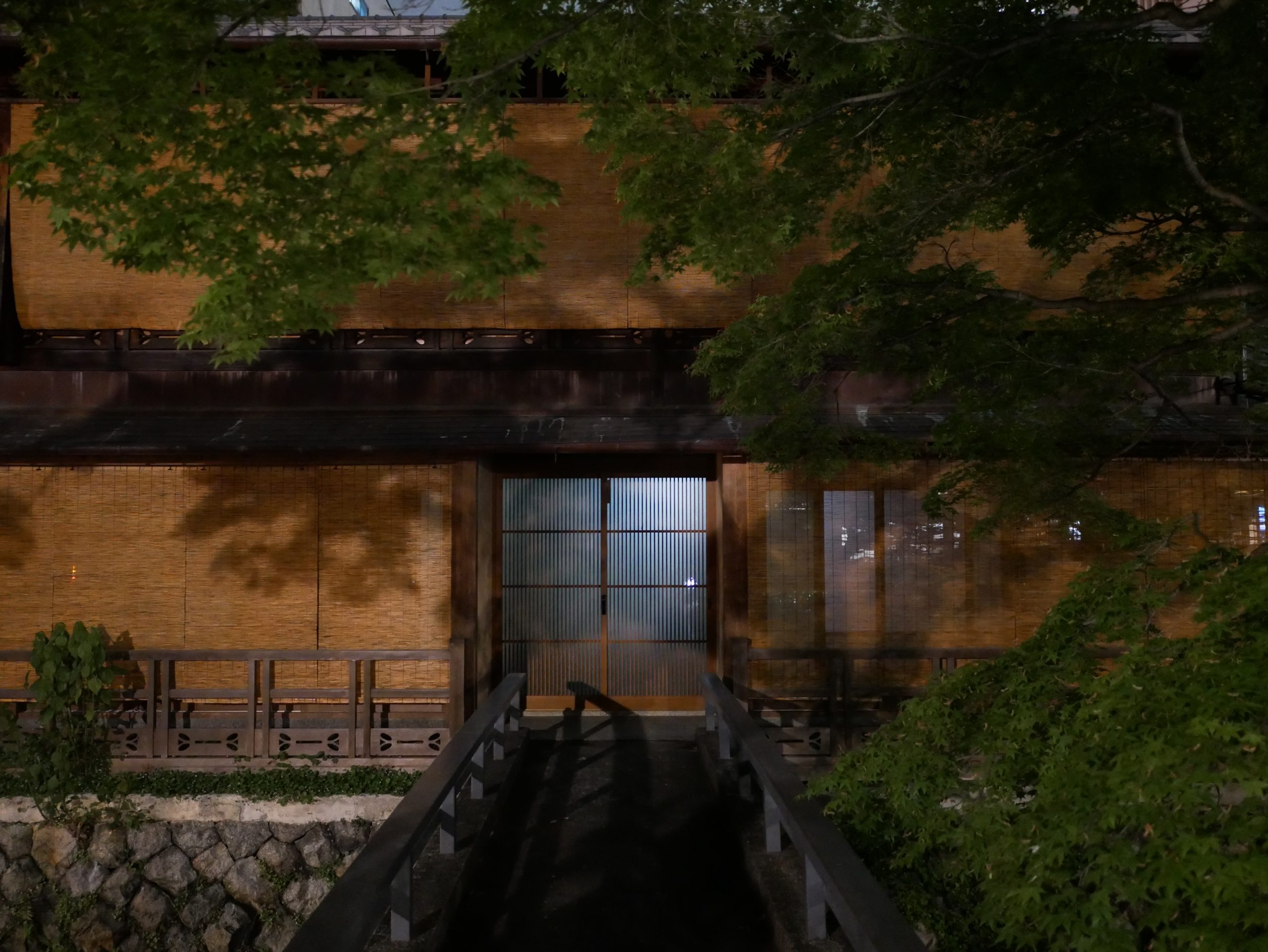
The rewards are considerable. Temple gardens that feel impossibly crowded in April become, in June, almost entirely your own. After each shower, the ancient stone streets take on a quality no guidebook photograph manages to convey: lantern light and wooden façades reflected in wet cobblestones, the city quieter and somehow more itself. It is a version of Kyoto that rewards those who choose to arrive when others do not.
Hydrangeas in Kyoto
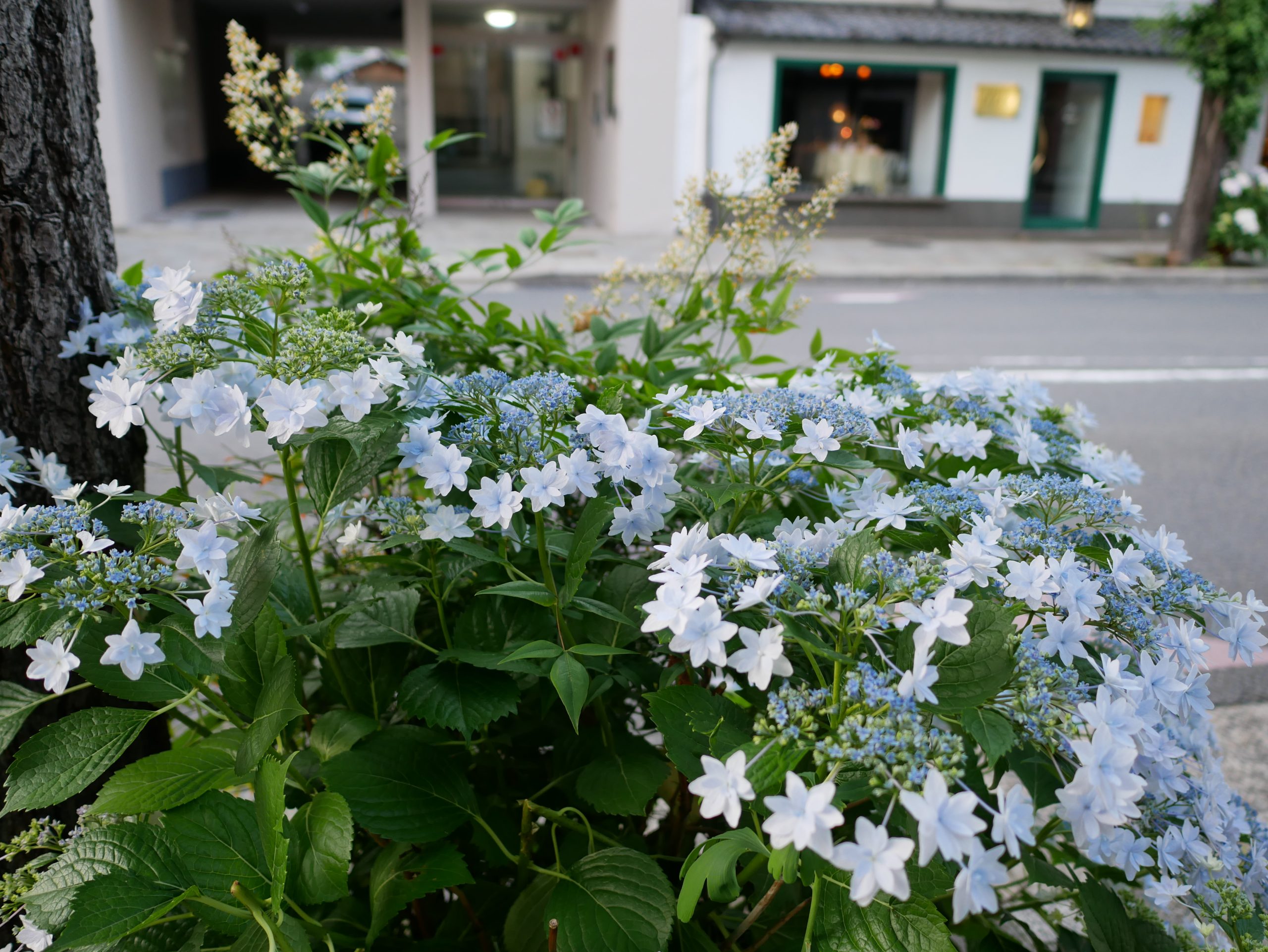
The ajisai is Kyoto’s flower for June. Their colour, ranging from pale blue to deep violet depending on the mineral composition of the soil, deepens as the season advances, and they complement the city’s old stone paths and weathered temple walls with an almost considered elegance.
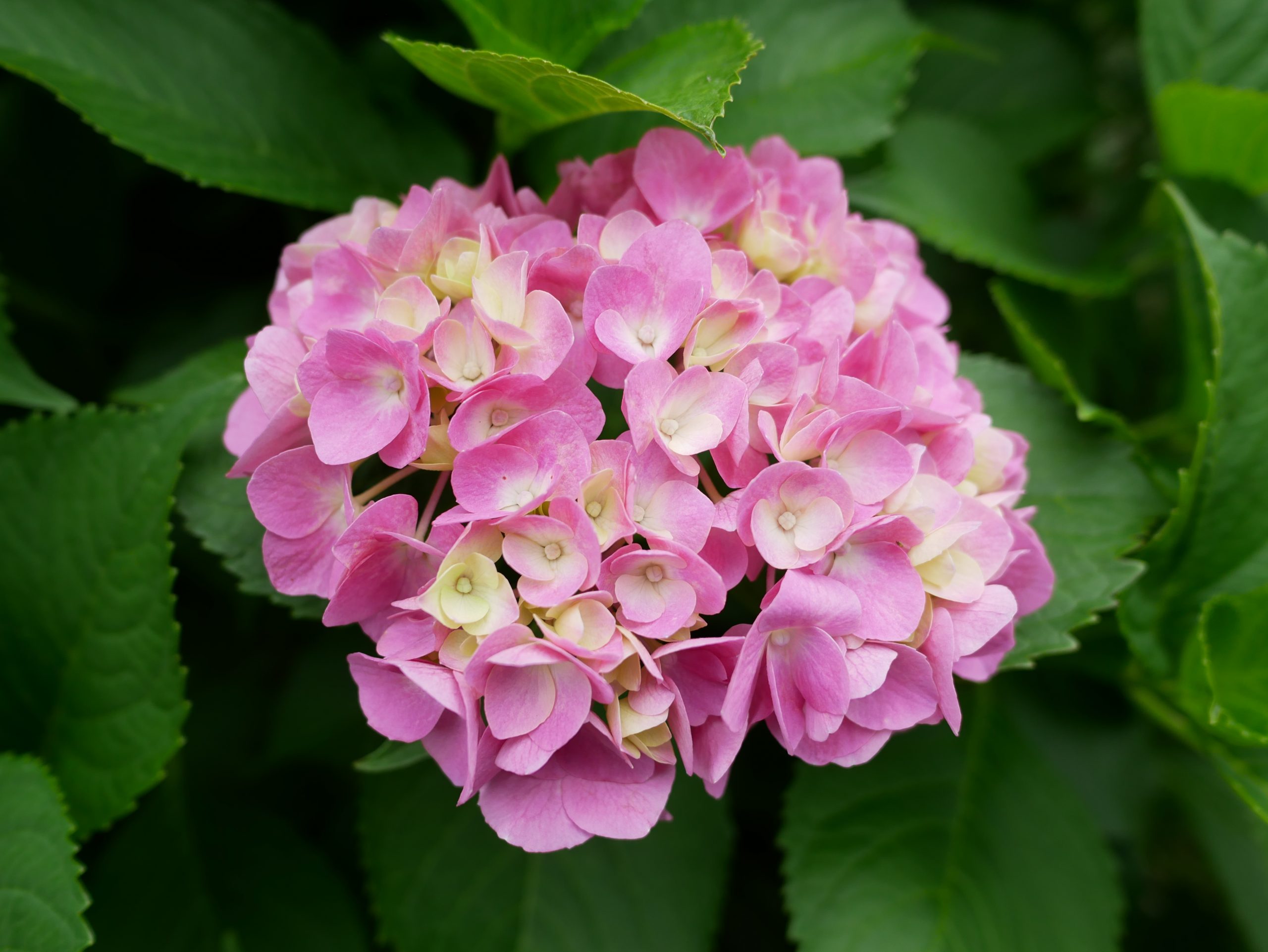
Sanzen-in Temple, Ohara
From Miru Kyoto Gion: around 45 minutes north of the city centre by bus nr 17 from Sanjo Keihan-mae [8min walk from the hotel]
From Miru Kyoto Nishiki: around 55 minutes north of the city centre by bus nr 17 from Shijo Takakura [7min walk from the hotel]
Sanzen-in is the finest hydrangea destination in the greater Kyoto area. Thousands of plants are set into deep moss across the temple grounds, the combination of colour and texture unlike anywhere else.
A weekday visit is strongly recommended.
Nijo Castle Gardens
From Miru Kyoto Gion: around 40 minutes walk, or 15 min cab ride
From Miru Kyoto Nishiki: around 30 minutes walk or 8 min cab ride
Nijo Castle is a UNESCO World Heritage site with a beautiful hydrangea garden. Unhurried on weekday mornings, with the kind of space to move through thoughtfully.
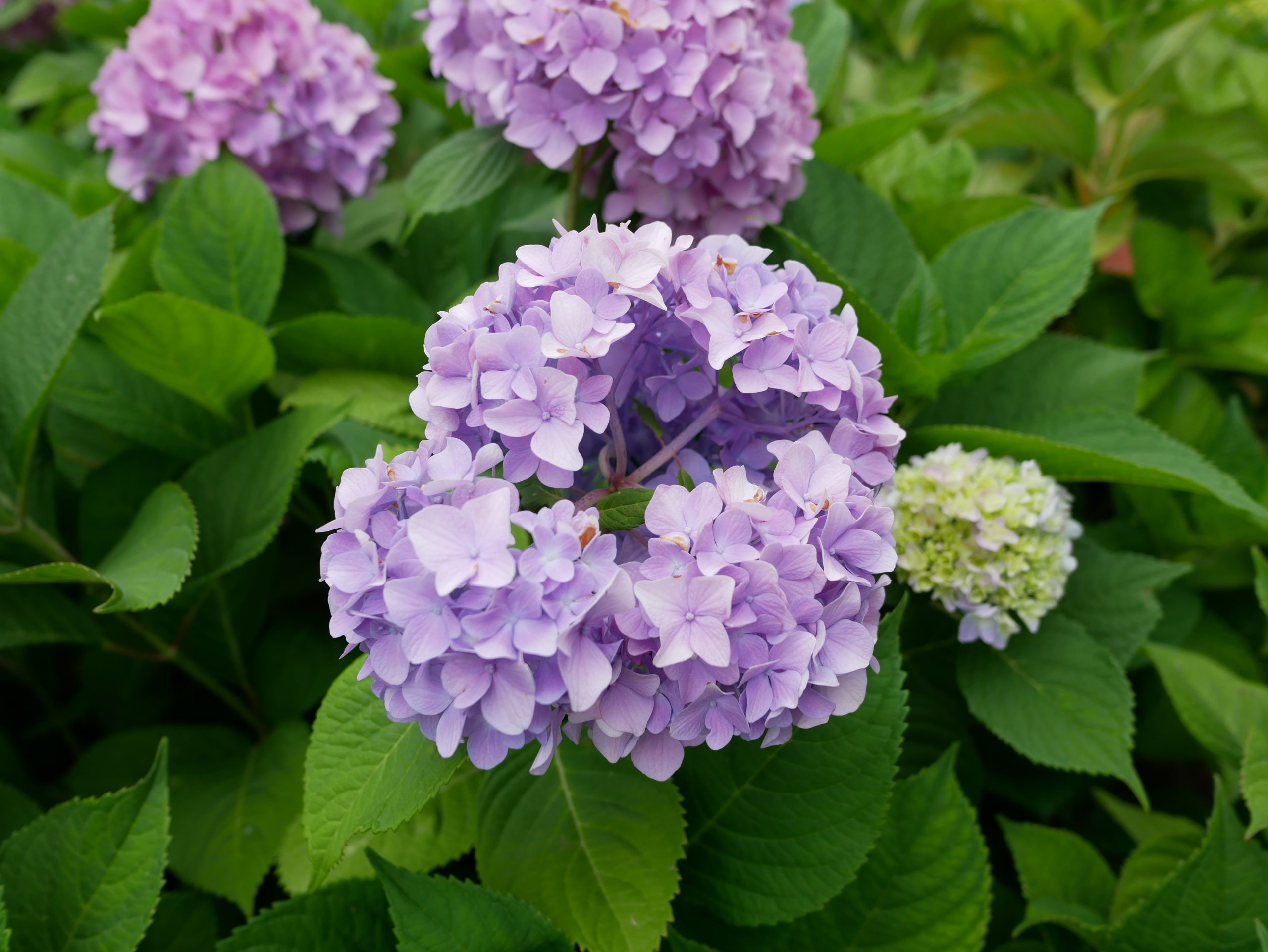
Oike-dori Street — Hydrangeas line the north pavement between Kiyamachi and Karasuma. No planning required. Simply walk the street and let them find you.
From Miru Kyoto Gion: around 15 minutes walk
From Miru Kyoto Nishiki: around 10 minutes walk
Early Summer Moss Gardens
Kennin-ji Temple, Gion — A short walk from Miru Kyoto Gion, Kennin-ji is the oldest Zen temple in Kyoto. The moss gardens in June are reason enough to visit independently of the hydrangeas of Reigenin sub-temple; together, they make for one of the most quietly affecting mornings the city offers.
From Miru Kyoto Gion: around 8 minute walk
From Miru Kyoto Nishiki: around 20 minutes walk
Eating Well in June
Miru Kyoto Nishiki sits two minutes from Nishiki Market, a covered food arcade that has been central to Kyoto’s culinary identity for several centuries. On a rainy afternoon, it offers hours of exploration without ever requiring an umbrella.
Things worth seeking out specifically in June:
Unagi and Hamo — Both are iconic summer delicacies, but their appeal is entirely different. Unagi, the fatty freshwater eel, is familiar to most visitors. Hamo, pike conger, is lighter, more refined, and deeply Kyoto in character. It is traditionally associated with the Gion Festival and demands considerable skill to prepare due to its many fine bones.
Minazuki — A small triangular rice cake topped with azuki beans, eaten on June 30th as part of an ancient Shinto purification rite. Cooling, subtly sweet, and available only at this time of year.
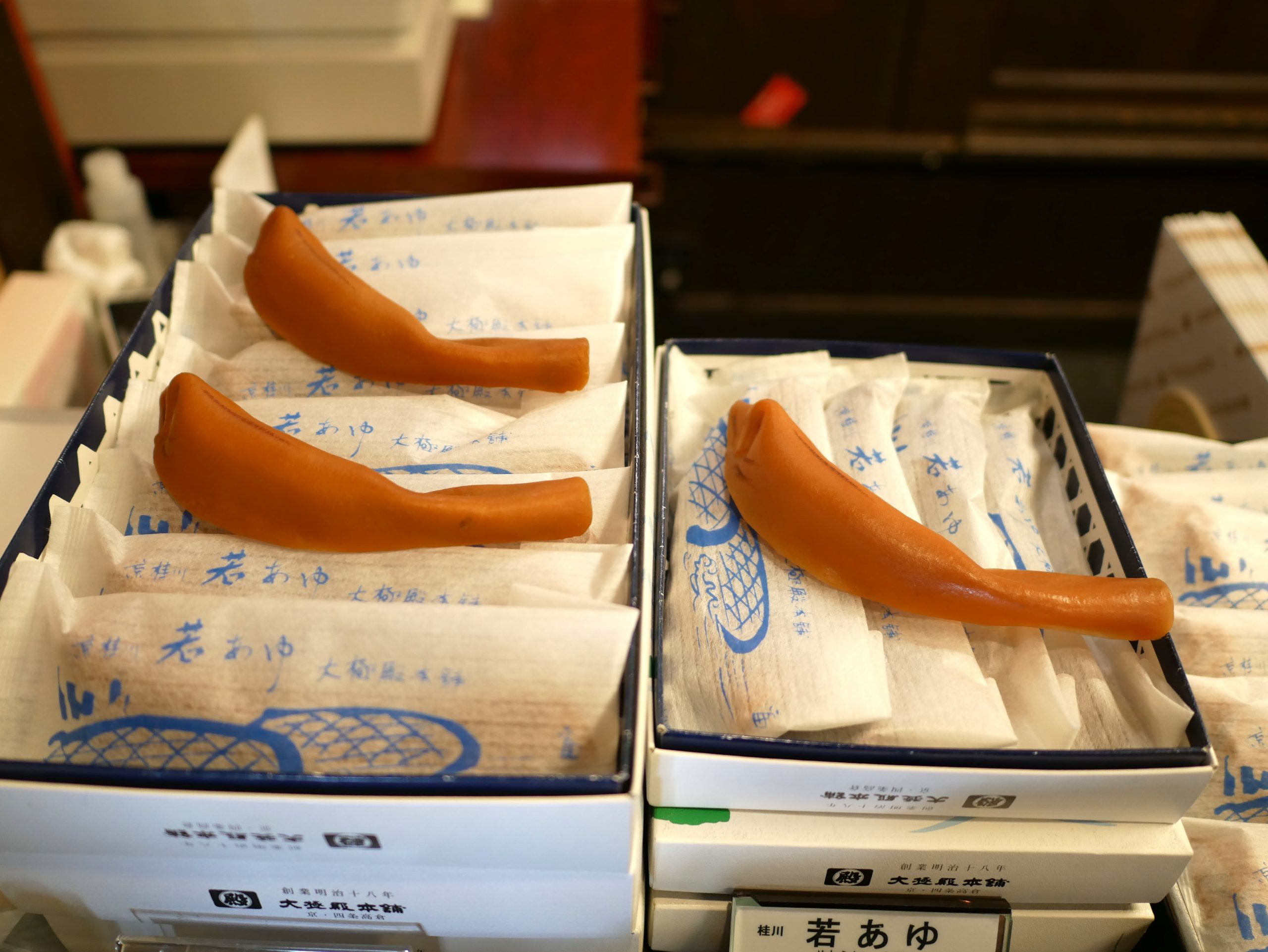
Wakaayu — A seasonal speciality where the outer layer is a golden sponge cake, filled with soft, chewy mochi. It mimics the ayu swimming in Kyoto’s summer rivers, and is often enjoyed chilled.
Gion or Nishiki: Choosing Your Base
Both properties are well-suited to June. The distinction lies in what each neighbourhood offers.
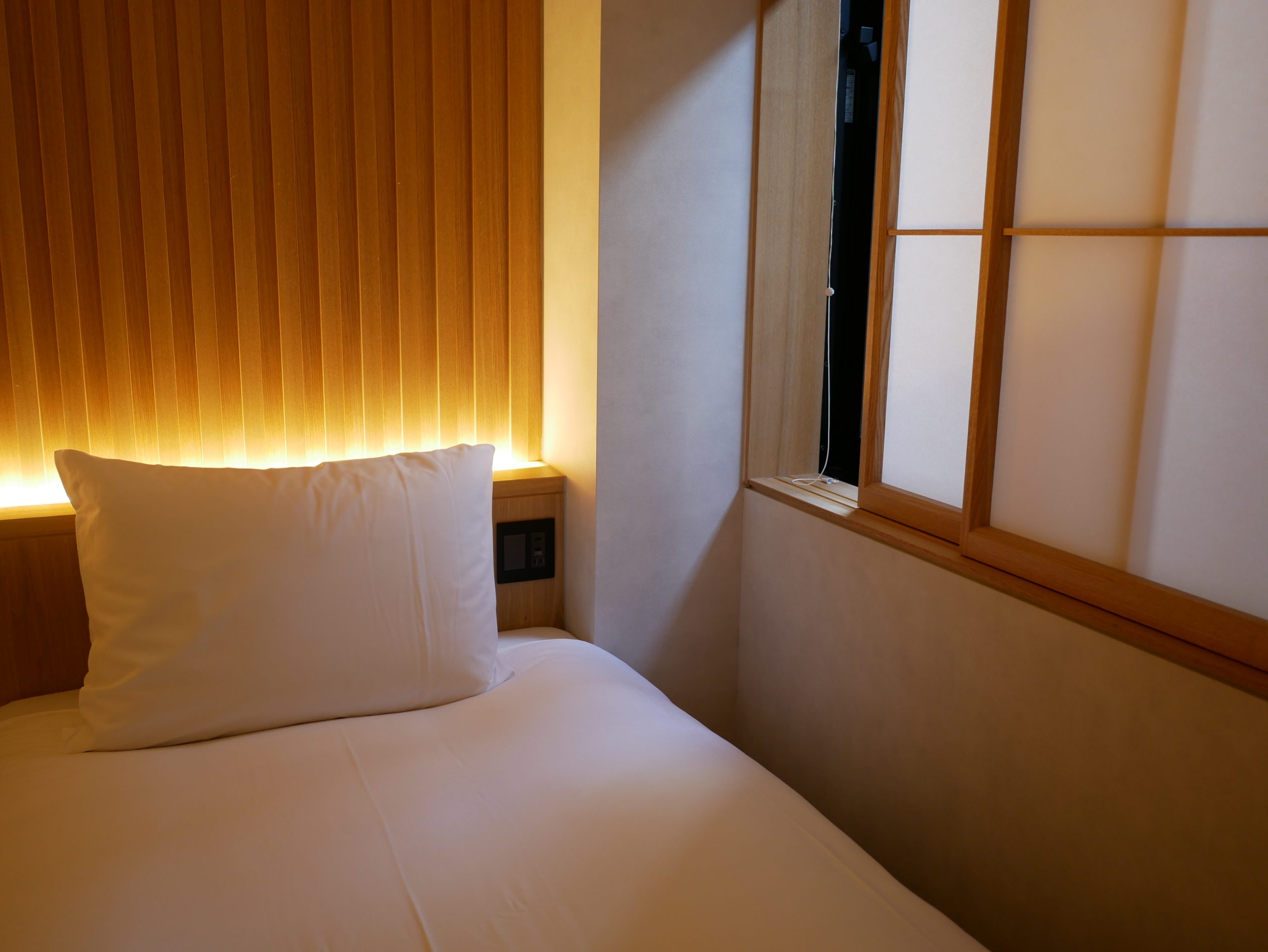
Miru Kyoto Gion occupies the heart of the old geisha district, within easy reach of Hanamikoji Street and Kennin-ji Temple. After rain, the stone lanes and traditional wooden machiya townhouses are at their most evocative — exactly the Kyoto that stays with you. It is the natural choice for those who wish to spend their days walking to temples, pausing in gardens, and experiencing the city at the pace it deserves.
[Check Availability at Miru Kyoto Gion →]
Miru Kyoto Nishiki is positioned at the centre of the city, with Nishiki Market two minutes on foot and the covered Teramachi shopping street close by. Rain presents no obstacle to exploration. It suits guests who want to eat with intention, move freely across the city, and keep options open throughout their stay.

[Check Availability at Miru Kyoto Nishiki →]
A Note on Photography
For those wishing to photograph Kyoto’s older streets, the ten minutes immediately following an afternoon shower offer a quality of light and stillness that is difficult to replicate. The cobblestones of Hanamikoji Street, just outside Miru Kyoto Gion, reflect the wooden buildings lining the road in a way that, in spring, would require photographing around crowds. On a June weekday evening, the street will very likely be yours alone.
Frequently Asked Questions
Is June a genuinely good time to visit Kyoto? Yes. Smaller crowds, hydrangeas in full bloom, and an atmosphere that most visitors to Kyoto never experience. Some tolerance for rain is all it requires.
How disruptive is the rainfall? Rarely disruptive. Mornings are typically clear; rain tends to arrive in the afternoon or evening. A compact umbrella handles it comfortably.
How do I choose between Gion and Nishiki? Gion for the traditional, quieter character of the city and direct access to temples. Nishiki for food, centrality, and flexibility. Many guests who stay at one find themselves curious about the other on a return visit.
When should I book? Promptly. June availability is already limited, and weekends fill first. Booking directly ensures the best available rate and access to direct-booking benefits not available through third-party platforms.
Is there anything notable at the end of June? On June 30th, the Nagoshi no Harae purification ceremony takes place at Shimogamo and Kamigamo Shrines, one of the oldest Shinto observances of the year and open to visitors. It is a rare and quietly moving thing to witness.
Reserve Your Stay
[Book Miru Kyoto Gion →] [Book Miru Kyoto Nishiki →]
Book directly for the best available rate. June availability is limited.
Follow us on Instagram: @mirukyotogion / @mirukyotonishiki