

Select Your Destination
News
The Best Tea Experiences in Kyoto: A Complete Guide 2026
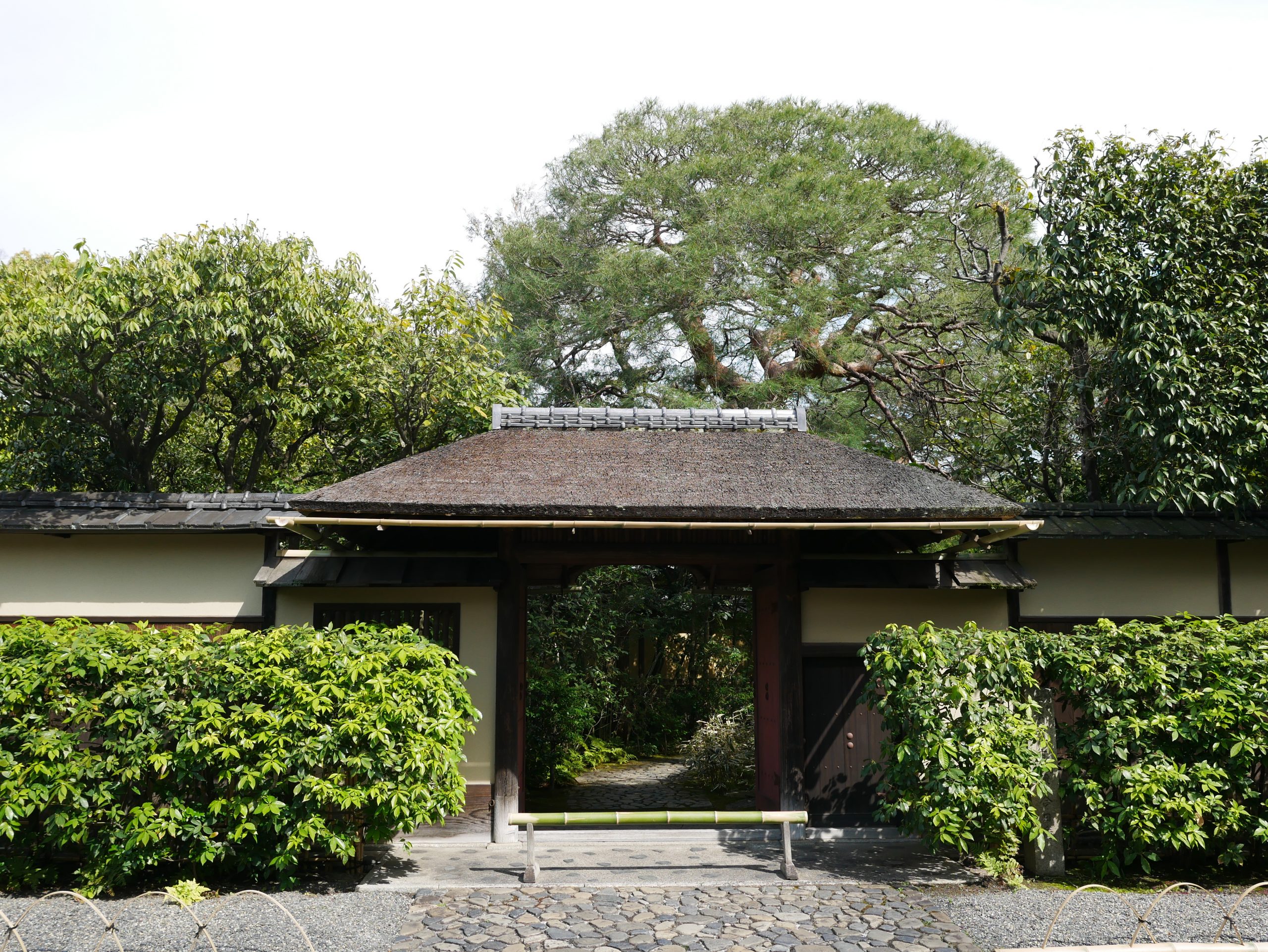
Kyoto is the birthplace of Japanese tea culture. For over a thousand years, the schools, merchants, and rituals of tea have been rooted here — in the same neighborhoods, sometimes in the same buildings, across generations. This guide covers where to learn, where to buy, and where to sit down and experience it properly.
The Tea Schools: Where Japanese Tea Culture Began
Urasenke and Omotesenke — Kyoto’s Most Historic Tea Schools
Urasenke 裏千家 & Omotesenke 表千家
Address: Honpōji-mae-chō, Kamigyo-ku, Kyoto
Access (Miru Kyoto Nishiki) : ~35 min by bus
Access (Miru Kyoto Gion): ~40 min by bus
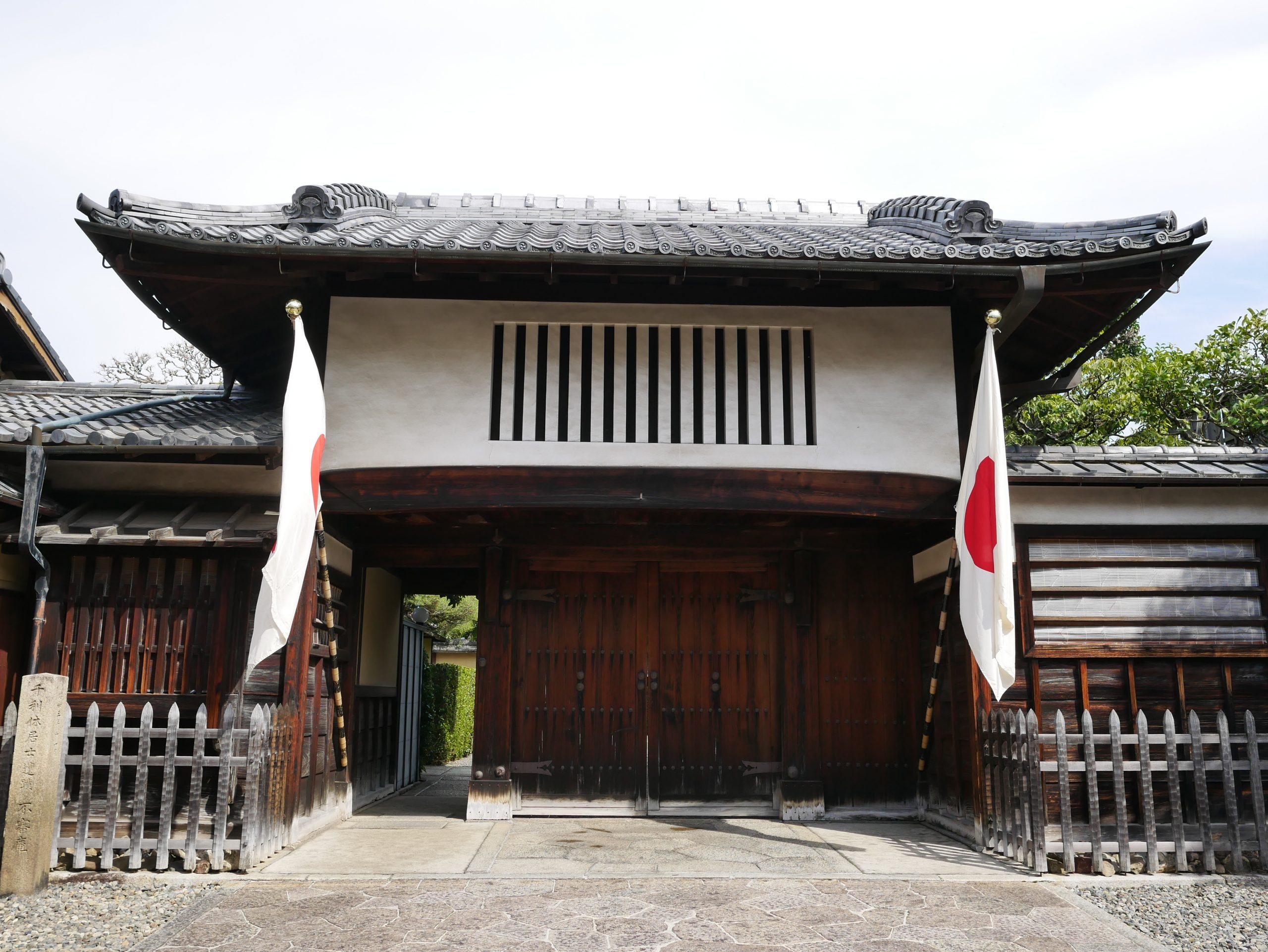
Both schools descend directly from Sen no Rikyū, the 16th-century master who defined chanoyu — the Way of Tea. Their headquarters sit side by side in Kyoto’s Kamigyo district. The names tell you their origin: Omotesenke means “front Sen house,” Urasenke means “rear Sen house.”
The two schools share the same roots but differ in approach. Urasenke — the larger of the two — focuses on the comfort of the guest. Omotesenke emphasizes simplicity: in movement, in tools, in the tea itself. Walking through this neighborhood is an experience on its own. These are not tourist attractions. They are living institutions that have been operating without interruption for centuries.
Where to Buy Tea in Kyoto
Ryūōen Chaho — Best Traditional Matcha Shop in Kyoto
柳桜園茶舗 Ryūōen Chaho
Address: 690 Chojiyacho, Nijo-dori Gokomachi Nishiiru, Nakagyo-ku, Kyoto
Hours: 9am–6pm (Closed Sundays)
Access (Miru Kyoto Nishiki):~15 min walk
Access (Miru Kyoto Gion Gion): ~25 min walk
Ryūōen Chaho is one of Kyoto’s most respected traditional matcha suppliers. Their highest quality matcha is officially recognized by all three major schools of Japanese tea ceremony: Urasenke, Omotesenke, and Mushakōjisenke. The raw material — tencha — comes from Uji, Kyoto’s most prized tea-growing region, and is ground in-house on a traditional stone mill.
This is where serious practitioners buy their tea. The shop works exactly as it did at founding — measuring, packing, selling by the same methods. Some regulars still bring their own canisters to be filled.
What to buy: Matcha and The karigane houjicha — roasted tea stems, smoky and sweet — are both exceptional there.
Ippodo Tea — Best Tea Shop in Kyoto for Visitors
一保堂茶舗 Ippodo Tea
Address: 52 Tokiwagi-cho, Teramachi-dori Nijo agaru, Nakagyo-ku, Kyoto
Hours: 10am–5pm | Kaboku Tearoom closes 4:30pm | Closed 2nd Wednesday of each month
Access (Miru Kyoto Nishiki):~15 min walk
Access (Miru Kyoto Gion Gion): ~20 min walk
In business since 1717, Ippodo is the most accessible entry point into Kyoto’s serious tea culture. The main store sits on historic Teramachi Street, recognizable by its noren curtains with the Ippodo name left undyed.
The shop stocks more than 30 blends — matcha, gyokuro, sencha, hojicha, and more — and the staff know their product in depth. The Kaboku Tearoom lets you learn to brew your chosen tea, paired with a seasonal Japanese sweet.
Where to Experience a Tea in Kyoto
tearoom toka — Most Unique Tea Experience in Kyoto
Tearoom toka 冬夏
Address: 298 Shintomicho, Kamigyo-ku, Kyoto
Hours: 11am–6pm, Closed Tuesdays, Reservation strongly recommended
Access (Miru Kyoto Nishiki):~25 min walk
Access (Miru Kyoto Gion Gion): ~35 min walk
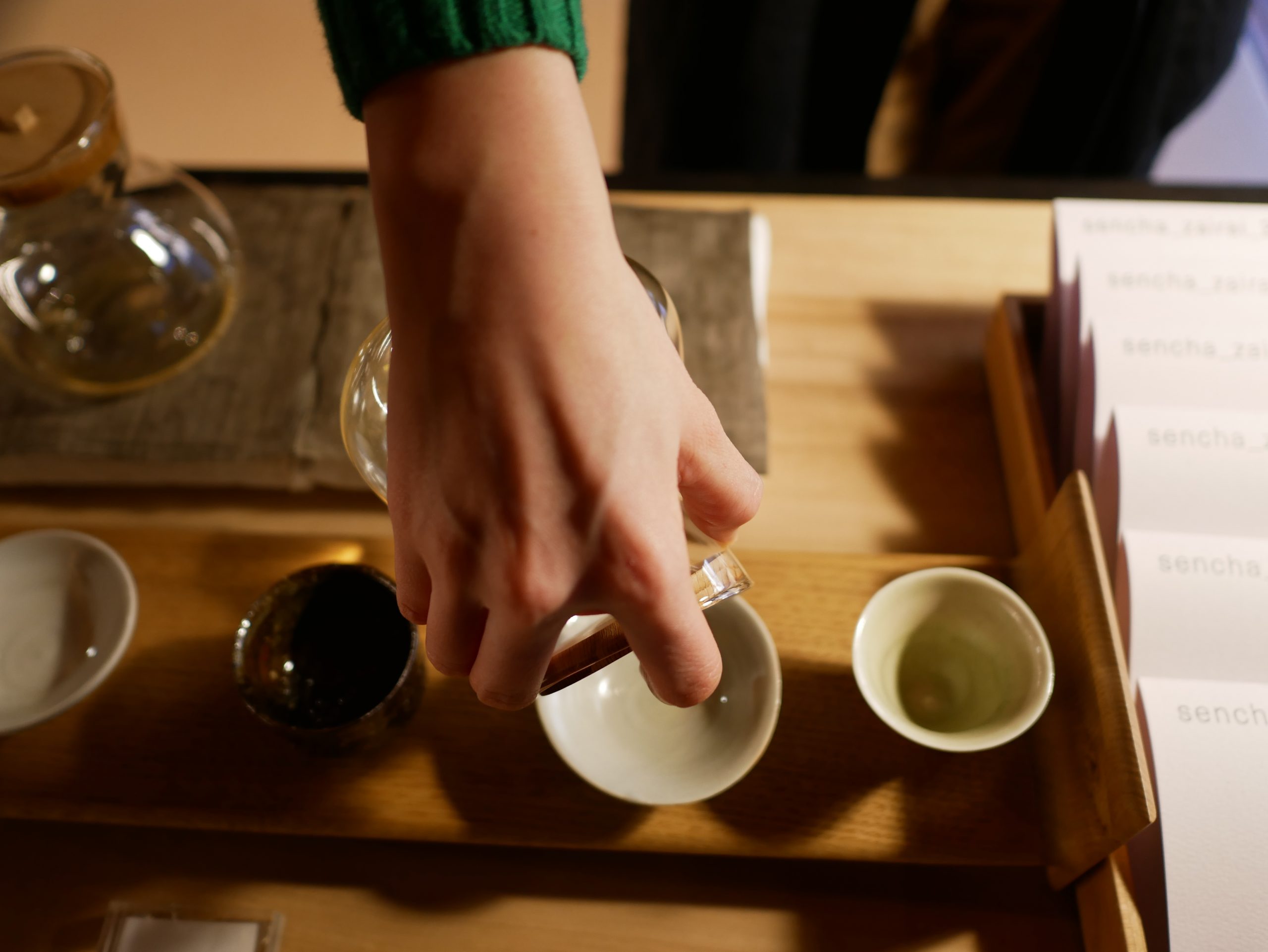
Set inside a 100-year-old house, tearoom toka is Kyoto’s most unique aged Japanese tea (vintage tea) experience. The six-seat counter sits above a natural water source regarded as among Kyoto’s finest for centuries. Water is drawn fresh each morning, brought to the right temperature, and used to brew in front of you.
The defining feature: aged Japanese teas. Vintage selections harvested five or more years ago — previously unavailable on the market — are exclusive to tearoom toka.
Sabo KYO — Most Atmospheric New Tea Room in Kyoto
居雨 KYO — Sabo KYO at KYO AMAHARE
Address: 127 Aburaya-cho, Nakagyo-ku, Kyoto
Hours: 12am–7pm (Closed Wednesdays)
Access (Miru Kyoto Nishiki):~1 min walk
Access (Miru Kyoto Gion Gion): ~20 min walk
KYO opened in spring 2024 inside the storeroom of craft gallery KYO AMAHARE. Its name — 居雨 — means “dwelling with the rain”: a place to sit with tea and sweets while waiting for the sky to clear.
The tea is selected by a master from Yorozu. The sweets are made by a confectioner trained in French patisserie. It is one of the most considered new tea spaces in Japan.
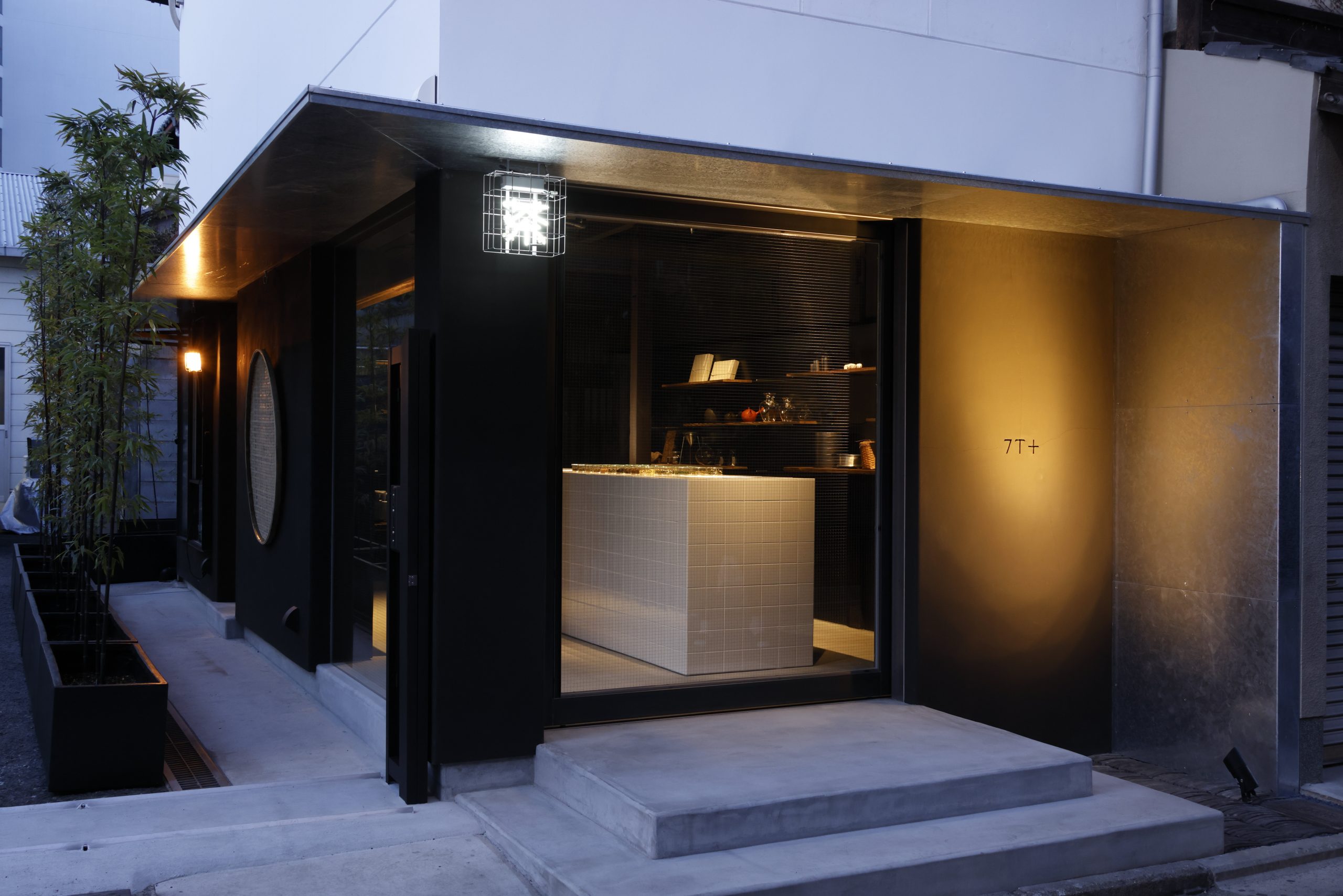
7T+ — Best Shop for Chinese Tea in Kyoto
7T+ — Seven Tea Plus
Address: 73-1 Shioyacho, Ayakoji-dori Tominokoji-higashiiru, Shimogyo-ku, Kyoto
Hours: 11am–7pm (Closed Thursdays)
Access (Miru Kyoto Nishiki):~10 min walk
Access (Miru Kyoto Gion Gion): ~20 min walk
Owner Kenji Nakano is a certified Chinese tea appraiser with 18 years of sourcing experience and a qualification as a Japanese tea instructor. At 7T+, he personally visits tea-producing regions and selects from over 80 varieties, organized into seven categories by production method — green, black, oolong, white, and more.
This is the destination for anyone who wants to understand tea as a broad global tradition, not just a Japanese one. A neon cha sign glows in the alley after dark. Worth finding.
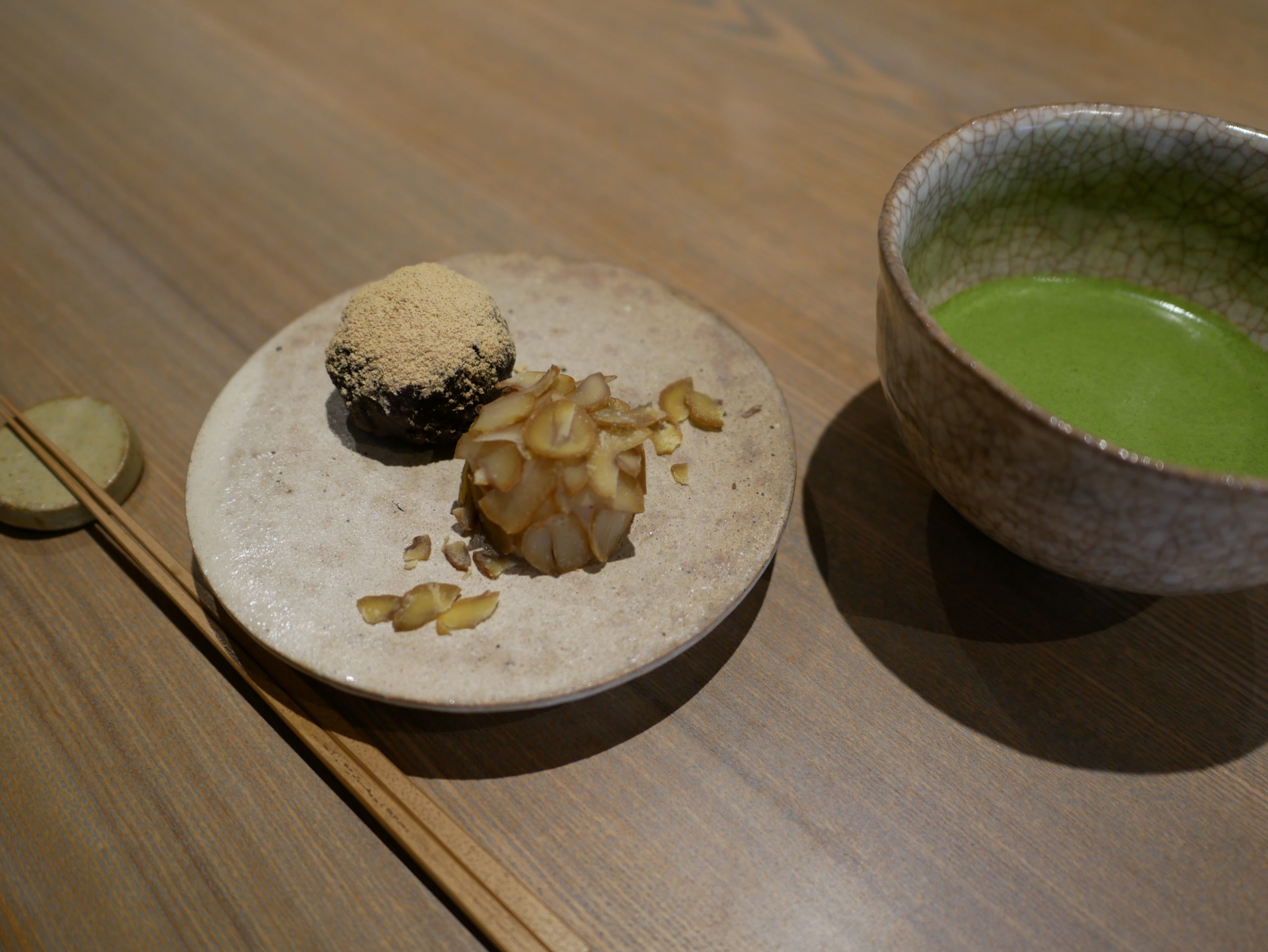
YUGEN — Best All-Round Tea Experience Near Miru Kyoto Nishiki
YUGEN 146 Kameya-cho, Nakagyo-ku, Kyoto
Address: 146 Kameya-cho, Nakagyo-ku, Kyoto
Hours: 11am–6pm (Closed Thursdays)
Access (Miru Kyoto Nishiki):~15 min walk
Access (Miru Kyoto Gion Gion): ~35 min walk
Located in a quiet neighborhood near the Kyoto Imperial Palace, YUGEN opened in 2018 with a clear purpose: making Japanese tea culture part of everyday life. The ground floor is a tea shop with a focus on Uji tea and seasonal sweets made by staff trained in kaiseki cuisine and traditional confectionery.
The upper floors add depth: a dedicated tea room on the second floor, a gallery on the third, and a regular program of artist exhibitions.
You can walk in, buy great tea, and leave in ten minutes. Or you can stay for the whole afternoon. YUGEN works either way — and rewards the slower approach.
One of the closest tea destinations to Miru Kyoto Nishiki, and one of the most complete.
When to Visit: The Best Season for Tea in Kyoto
Shincha — the year’s first tea harvest — arrives in late April and May. Its appearance in the best shops is an event. Certain matcha blends are only available in spring. At Ryūōen, the seasonal Kozakura label is available from late February through late April only. If your stay falls in this window, ask what has just arrived. The answer will shape your afternoon.
Getting There from Miru Kyoto
Miru Kyoto Nishiki sits in the heart of the city — a short walk from Nishiki Market and the Kyoto Imperial Palace grounds. Most destinations in this guide are reachable on foot in under 20 minutes.
Miru Kyoto Gion is steps from the Shirakawa Canal and the quiet backstreets of Higashiyama. Walking times are slightly longer to the tea school district but the route itself passes through some of Kyoto’s most beautiful streets.
Book direct for our best available rates, flexible cancellation, and priority access to both properties. Availability is limited and fills quickly, for example for Miru Kyoto Gion’s Premium, Superior and Tatami Miyabi rooms. Do not leave this one to chance.
Book: Miru Kyoto Gion
Book: Miru Kyoto Nishiki
Follow us and see other’s Miru story on Instagram:
@mirukyotogion
@mirukyotonishiki